
During its Q1 2025 earnings call on 22 April, Tesla discussed a difficult financial quarter alongside updates on the projects it expected to shape the company’s future. This archive summary covers the plans and expectations presented then, rather than a current launch schedule.
FSD: towards driving without supervision
Following the launch of supervised driving features in China, Tesla described unsupervised vehicle movements within its own operations, taking Model 3, Model Y and Cybertruck vehicles between production areas and logistics parking. The call also highlighted 7.7 million miles of daily FSD use in North America and China. Fleet use of supervised FSD and internal driverless movements were different operating contexts.
Musk and the team argued that FSD’s price was low relative to its value, suggesting that pricing might change. The article cited $99 per month and speculated about a future European subscription of €100–€130 per month. Its reference to US and Chinese pricing should not be read as confirmation of identical offers in both markets, and the European range was an estimate, not an announced price.
Robotaxi: an Austin pilot planned for June
Tesla planned to introduce an initial fleet of Model Y Robotaxis in Austin in June 2025, followed by a gradual expansion. The longer-term ambition was millions of autonomous vehicles by 2026. The article expected a geofenced service and discussed a safety target substantially above human driving. Those were plans and targets presented at the time, rather than guaranteed deployment or measured safety results.
A more affordable model
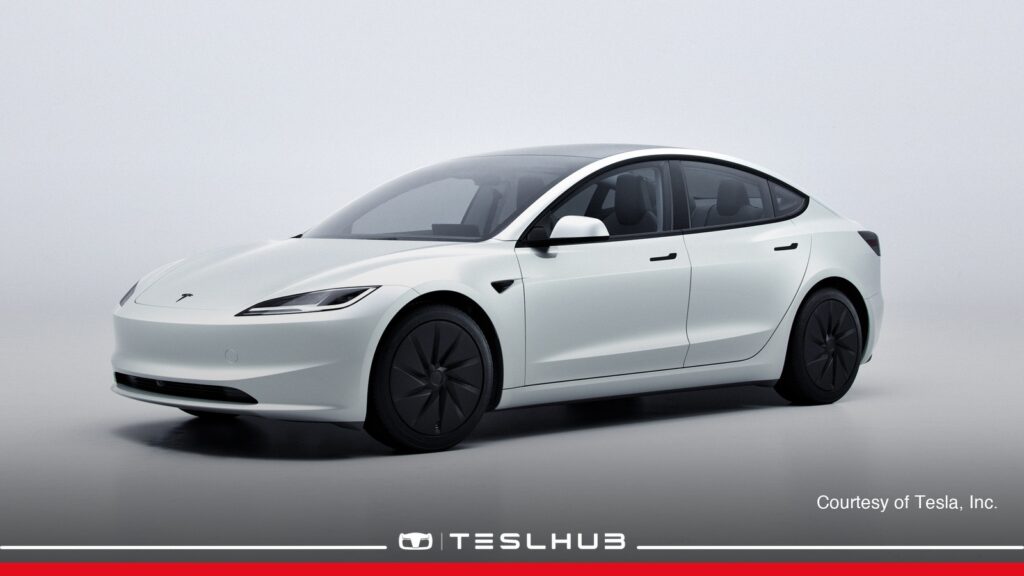
Tesla said production of more affordable vehicles would begin in the first half of 2025. The vehicles would draw on the existing Model 3 and Model Y platforms to limit costs and shorten development time, with the aim of making purchase prices and monthly payments more accessible.
Cybercab and Optimus
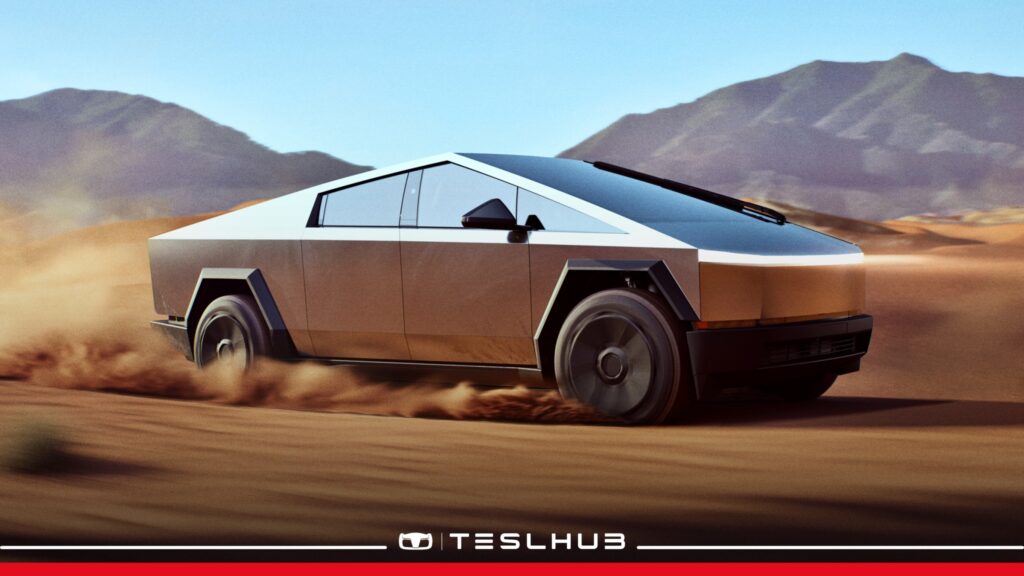
The purpose-built Cybercab was planned for volume production in 2026 using the “unboxed” manufacturing approach to reduce costs and increase automation. Tesla also planned pilot production of Optimus by the end of 2025, with thousands of robots targeted for use at Tesla facilities by December. These were the expectations discussed in the call.
Energy, batteries and manufacturing
The report highlighted 10.4 GWh of energy-storage deployments and a 154% year-on-year increase, alongside Tesla’s work on its 4680 Cybercell. Its description of the cell as the market’s most efficient was not supported by a like-for-like comparison in the article. Tesla also discussed localising supply chains, responding to tariffs and further integrating production.
Looking ahead
The call reinforced Tesla’s ambition to develop autonomous systems, expand energy storage and scale new products. The article viewed 2025 as a year for initial steps and 2026 as a potential period of broader change. The dates and volumes remained company targets, with execution and regulatory approval still important uncertainties.
💶 REFERRAL PROGRAMME 🚘
The original offer: €500 off a new Tesla
The offer described when this article was published invited buyers to use the following link and place an order through the normal purchase process. This is historical offer information; current eligibility and benefits must be checked separately.
https://www.Teslhub.com/Sconto
👏 Under the terms described at the time, an eligible purchase could receive a €500 discount.
The original article also directed readers to the “Buy a Tesla – €500 discount” section of our biography and the “Buy a Tesla” entry in the website menu.
🌐 STAY UP TO DATE 📢
Follow our channels to keep up with the latest news.
Join Teslhub Members, our Telegram community, to talk, ask questions and share Tesla experiences with us and other members. You can also find us on WhatsApp!
We hope you enjoyed the article. We’ll see you in the next one, or on our social channels.
See you soon!
Giorgio Rebecchi
Editor



Let’s discuss it
Experiences, questions and perspectives from the Teslhub community.
Please keep the discussion respectful. Members’ comments are moderated before publication.
Start the conversation. Leave the first comment.