
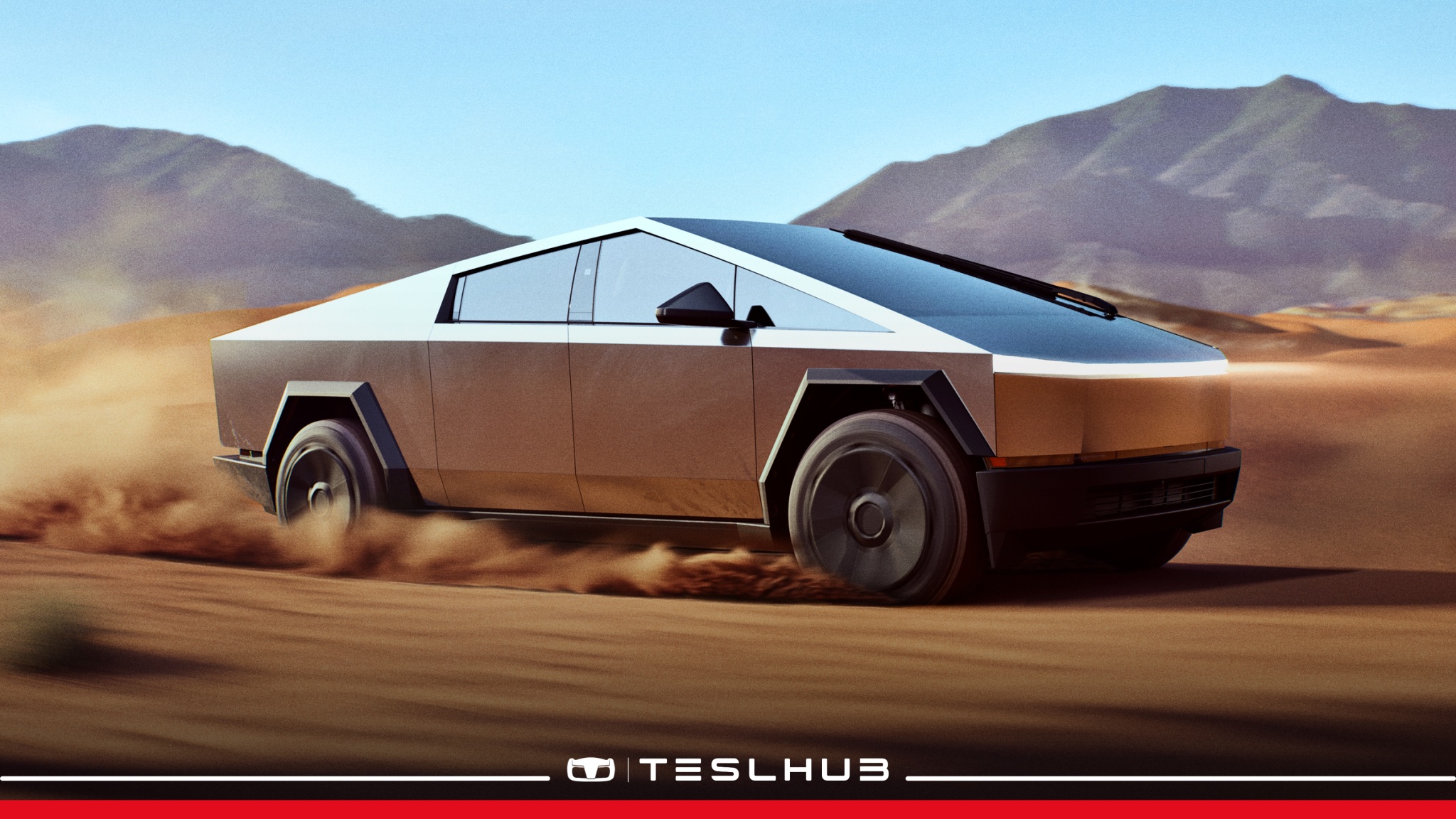
8 November update: an extra shift for Cybertruck orders
Tesla plans to increase production before the line is converted. In a new message on 7 November, Elon Musk said that the Cybertruck order backlog exceeds what the company could build before dismantling the line around June or July 2027 to expand Cybercab production.
An extra shift will therefore be added. The stated aim is to try to complete the orders in time. This is neither a delivery guarantee for every reservation nor an announcement that the production transition has been postponed. Musk did not give a backlog figure or say how much the line’s capacity would increase.
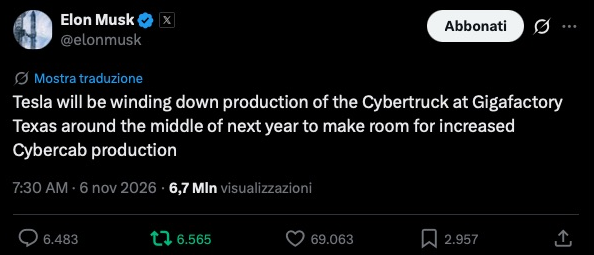
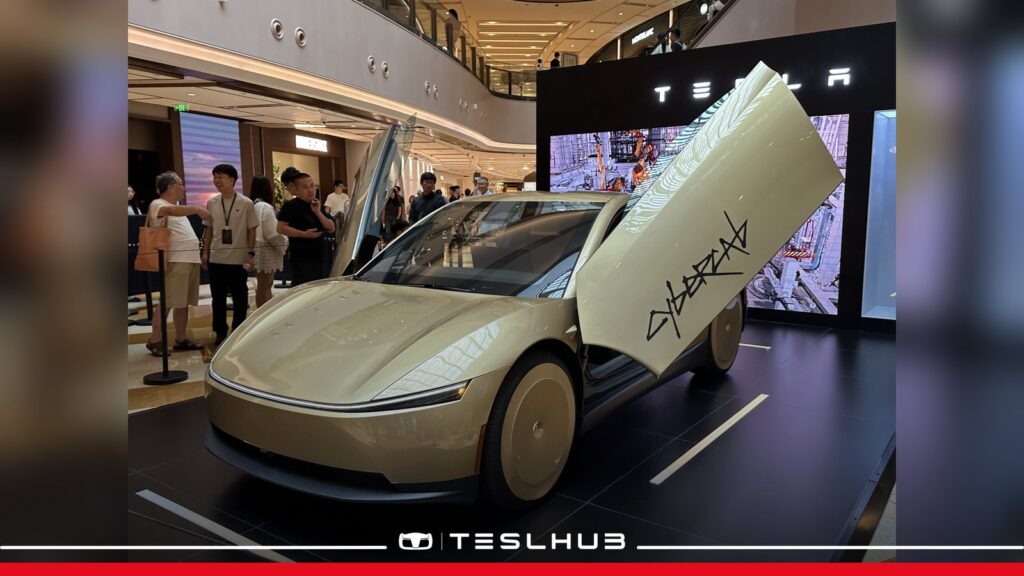
Cybertruck is heading towards the end of production. Elon Musk announced that Tesla would wind down the pickup’s manufacturing at Gigafactory Texas around the middle of 2027, making room to increase Cybercab production. For one of the brand’s most recognisable vehicles, that would mean a much shorter manufacturing life than the attention surrounding its debut might have suggested.
The decision also points to a broader change. After Model S and Model X, another project that helped define Tesla’s image is making way for a new priority: building the products on which the company wants to base its future in autonomy and robotics.
Texas changes priorities: from pickup to Cybercab
Musk’s message directly linked the Cybertruck wind-down to the need to expand Cybercab production. It did not give an exact date for the final vehicle, referring instead to a transition around the middle of the following year. This was a future manufacturing plan, not a guaranteed deadline for ordering or taking delivery of a pickup.
The decision to reuse existing space is significant. Rather than keeping the range unchanged and only adding new lines, Tesla is reallocating some of its manufacturing resources. Cybercab, designed for a Robotaxi service, is moving ahead of the pickup in planning for the Austin factory.
The Model S and Model X precedent
A similar change had already taken place in Fremont. Tesla dismantled the Model S and Model X lines as it prepared the space for Optimus production. In its Q2 2026 report, the company explicitly described removing the two flagship models’ lines and installing those intended for the humanoid robot.
The destinations differ—Optimus in California and Cybercab in Texas—but the connection is increasingly clear. Tesla is giving more weight to products built around AI, autonomy and services, even when that means retiring models with a strong identity. This does not yet measure how successful those projects will be commercially, but it is a concrete decision about where to invest manufacturing capacity and work.
For people who followed Tesla through Model S, Model X and then Cybertruck, the change may also carry emotional weight. These vehicles made the brand recognisable well beyond the electric-car market. The handover suggests that Tesla increasingly wants to be judged on what it achieves in autonomy and robotics, alongside the cars it sells to private owners.
Further US price increases and paused Dual Motor orders
The manufacturing announcement coincided with a US price-list update. Tesla’s US configurator showed Dual Motor All-Wheel Drive at $82,490, Premium All-Wheel Drive at $92,490 and Cyberbeast at $102,490. These figures describe the position checked for this 6 November 2026 article.
The Dual Motor version is the important detail: it continued to appear with a price, but its selection control was disabled. Being listed therefore did not mean a new order could be placed. That was separate from the production wind-down plan and, by itself, did not explain why orders were paused.
These were US-market prices and configurations, not Italian prices, and should not be directly compared with a European VAT-inclusive list. The table uses August’s prices, after the preceding increase, as its baseline: Dual Motor and Premium AWD rose by $7,500, while Cyberbeast rose by $2,500. The revised positioning therefore accompanied a narrower choice for new orders.
What changes for existing Cybertruck owners?
Ending production does not mean ending service support. Wes Morrill clarified that Tesla would maintain parts and continue supporting the vehicle through its service operation. That is an important indication for owners, without turning it into a promise about repair times, the availability of every component or unspecified conditions.
Morrill also described Cybertruck as a technology-development platform whose legacy continues in Cybercab. The pickup’s story is therefore not confined to the number of years it remains in production: some of the engineering work continues to play a role in later programmes.
A short production life, with a continuing legacy
The first Cybertruck deliveries took place on 30 November 2023 at Tesla’s Austin event. If the announced mid-2027 plan is followed, customer production would span roughly three and a half years—a short period for a vehicle that attracted so much attention.
That is what makes the decision particularly interesting. Cybertruck is not making room for a more conventional-looking pickup, but for a product designed around a different way to use a car. After Fremont’s shift, the Texas change makes Tesla’s chosen direction clearer. Results, timing and the ability to turn that vision into large-scale services remain to be seen; the manufacturing priority is becoming less ambiguous.
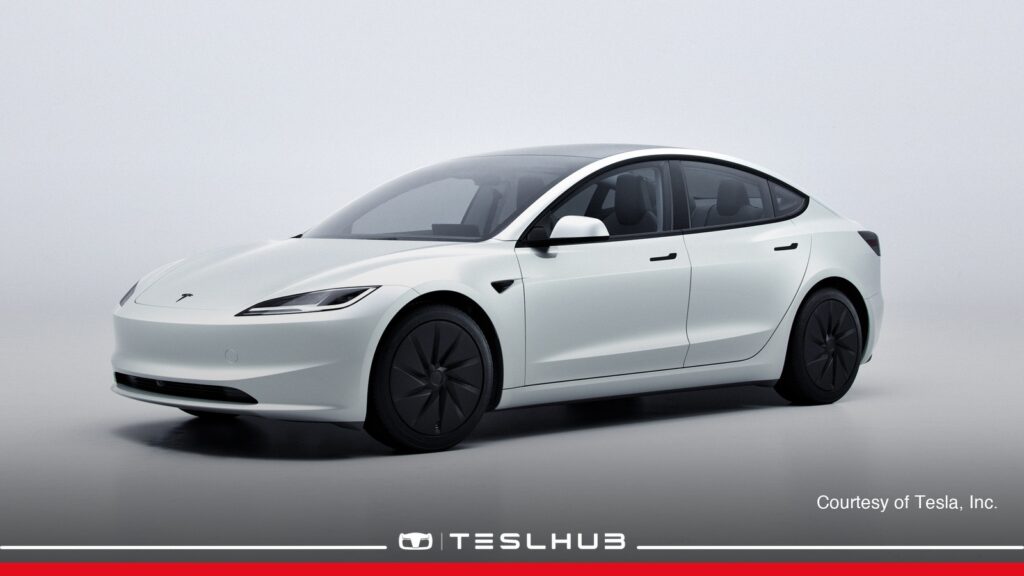
Courtesy of Tesla, Inc.


Let’s discuss it
Experiences, questions and perspectives from the Teslhub community.
Please keep the discussion respectful. Members’ comments are moderated before publication.
Start the conversation. Leave the first comment.