
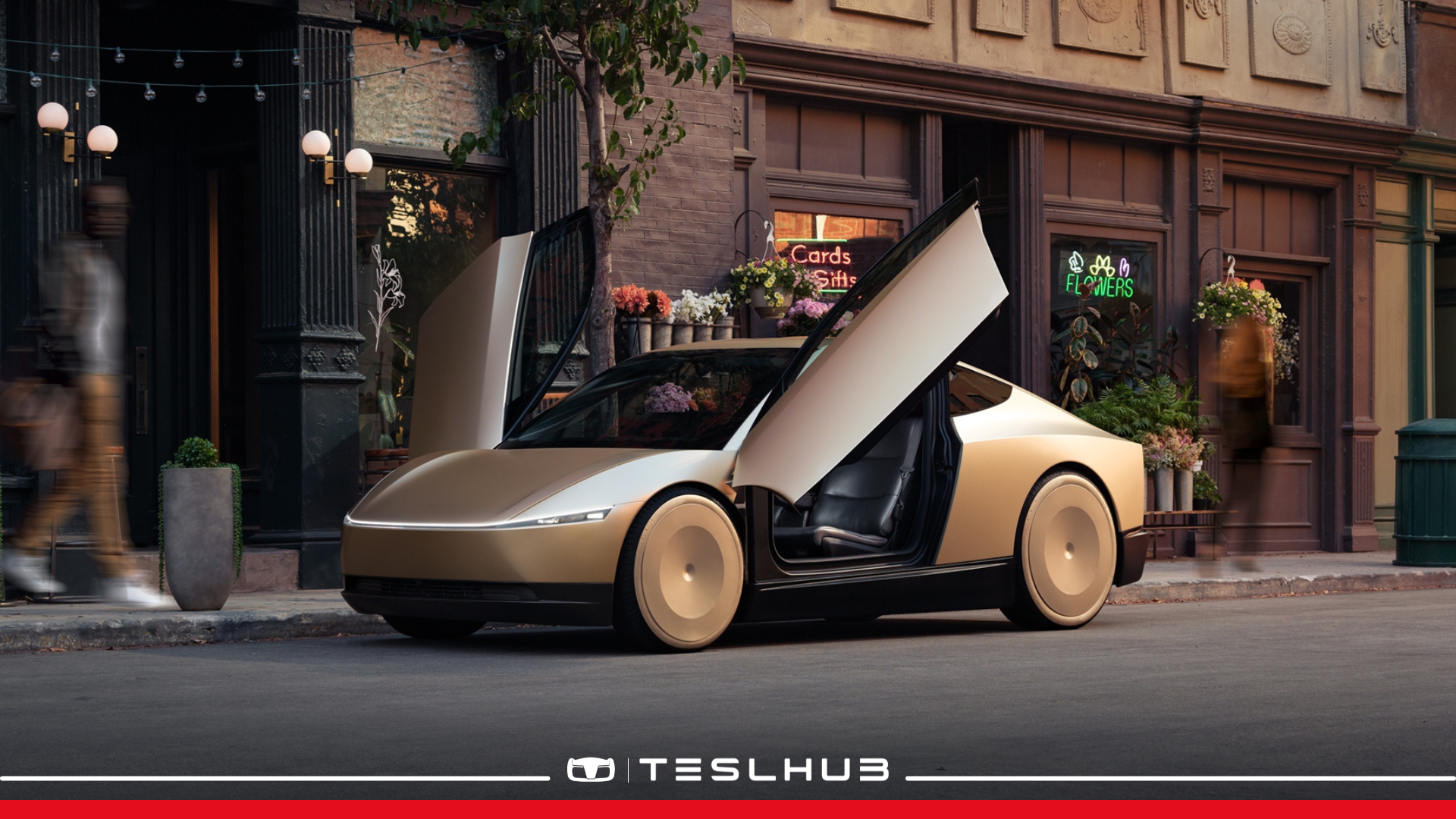
Tesla encountered an obstacle in its autonomous-mobility plans when the United States Patent and Trademark Office (USPTO) issued a preliminary refusal concerning its application to register “Robotaxi” for autonomous electric vehicles. The issue concerned trademark registration and how Tesla might brand a future driverless fleet.
What the initial refusal means
The procedural step was a non-final office action: an initial objection from a USPTO examiner concerning whether “Robotaxi” could be registered. At that stage, the article reported that Tesla had three months to respond with arguments addressing the objections. This describes the application’s position at publication, rather than its current legal status.
The concern was that the word could be considered descriptive of the product category. The article explained the difficulty of securing exclusive trademark rights over a term commonly used for an autonomous taxi. A refusal to register a mark should not be read as a general prohibition on using the word.
A separate application remained under examination
Tesla had also filed a separate application for “Robotaxi” in connection with a service, specifically an autonomous ride-hailing app. That application was still under examination when the article was published. Its outcome would depend on its own scope and the examiner’s assessment; a different category does not guarantee registration.
A successful service application could therefore offer protection for the “Tesla Robotaxi” platform’s branding, even if the vehicle application did not succeed. The two applications needed to be considered separately.
Why the distinction matters
Trademark registration can help protect a brand’s identity, distinguish its products and address confusingly similar names. If Tesla could not secure exclusive rights to the descriptive vehicle term, other companies could continue describing their autonomous vehicles as robotaxis.
At publication, Tesla was preparing an initial robotaxi-service launch in Austin for the following month. The trademark objection concerned naming rights, rather than operational approval for a fleet. It could influence branding decisions, but was not itself a decision on whether the service could operate.
Cybercab, Robovan and Robobus: other names under consideration
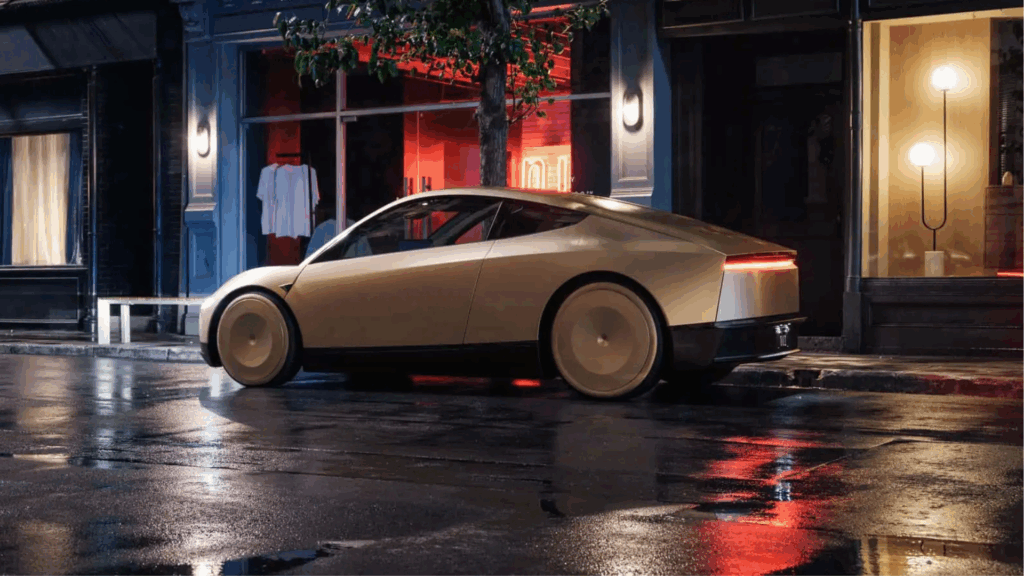
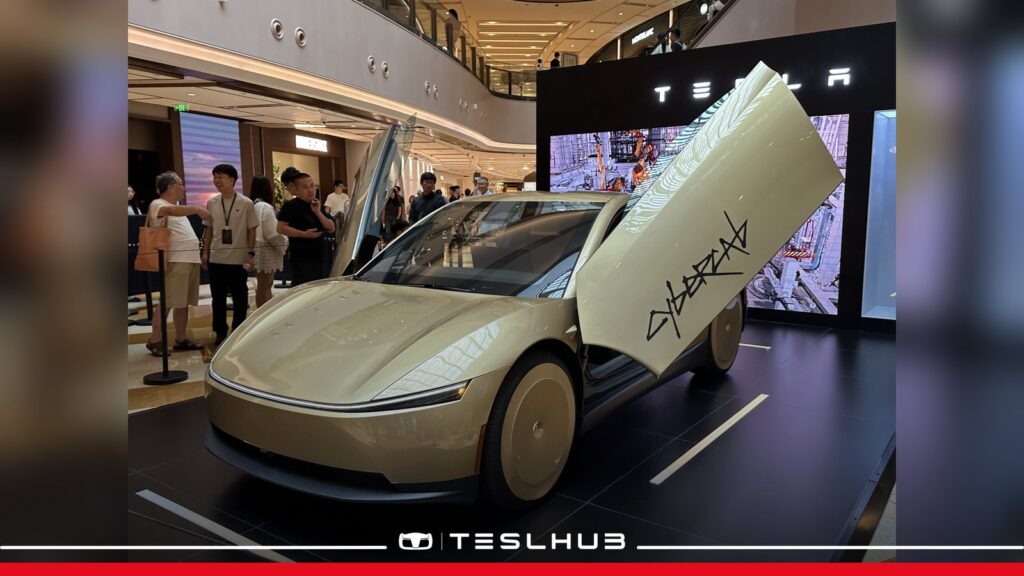
Alongside “Robotaxi”, Tesla had sought protection for more distinctive names including “Cybercab”, “Robovan” and “Robobus”. The article considered those names potentially easier to distinguish as brands, though none of that guaranteed a successful USPTO examination or established the details of future products.
Was the application too late?
One question raised by the article was why Tesla had not sought protection for “Robotaxi” years earlier.
The company had discussed the wider project publicly since 2016, while later progress in FSD, particularly after version 12, made the plans more tangible. The suggestion that an earlier filing might have encouraged speculation was the author’s interpretation.
Meanwhile, companies including Uber and Cruise had already used “robotaxi” descriptively. That wider use was part of the context for Tesla’s attempt to claim exclusive rights to the term.
💶 REFERRAL PROGRAM 🚘
Explore the referral benefits available when buying a new Tesla.
Use the following referral link and follow Tesla’s normal ordering process. Check the current terms and available benefits before ordering; you can copy the link into your browser if needed.
https://www.Teslhub.com/Sconto
👏 That completes the referral step.
You can also find our referral link in the “Buy a Tesla” section of our biography and in the website menu.
🌐 STAY UP TO DATE 📢
Follow our channels to keep up with the latest news.
Join Teslhub Members, our Telegram community, to talk, ask questions and share Tesla experiences with us and other members. You can also find us on WhatsApp!
We hope you enjoyed the article. See you in the next one, or on our social channels.
See you soon!
Giorgio Rebecchi
Editor


Let’s discuss it
Experiences, questions and perspectives from the Teslhub community.
Please keep the discussion respectful. Members’ comments are moderated before publication.
Start the conversation. Leave the first comment.