

News from July 2026, recovered for the archive and published on 22 October 2026.
At Tesla Fremont, the shift from Model S and Model X to Optimus is taking tangible shape. On 10 July, Tesla Manufacturing published footage documenting the dismantling of the two models’ original line, completed in 46 days according to the company. It is an update on factory work following the decision to allocate that space to robotics.
The distinction matters: dismantling the previous line does not mean the new one is already operating at full capacity. The video shows the transformation of the space; Optimus production plans remain a separate step to follow through Tesla’s subsequent communications.
Tesla Fremont: the 46-day film
The announcement comes from the official Tesla Manufacturing account. The communication explicitly identifies the original Model S and Model X line and states how long dismantling took. The time-lapse footage shows work inside the factory, rather than simply an image of a finished product.
The figure refers to this specific operation: it is not the stated time needed to build an entire robot factory or begin customer deliveries. It would be incorrect to use the 46 days as a measure of every stage of the conversion.
The Optimus plan was already in Tesla’s documents
The connection with Optimus is supported by the contemporary official Tesla Q1 2026 update, in its Manufacturing & Hardware section. Tesla described the future replacement of Fremont’s Model S and Model X lines with a first-generation robot line.
The project was designed for one million units per year. In the same document, the company also discussed preparation of a second-generation line in Texas, designed for long-term annual capacity of ten million robots. These are design targets stated by Tesla, rather than quantities already produced.
We previously examined the reasons behind the end of Model S and Model X. The July development adds operational evidence: removal of the old line, documented directly by the manufacturer.
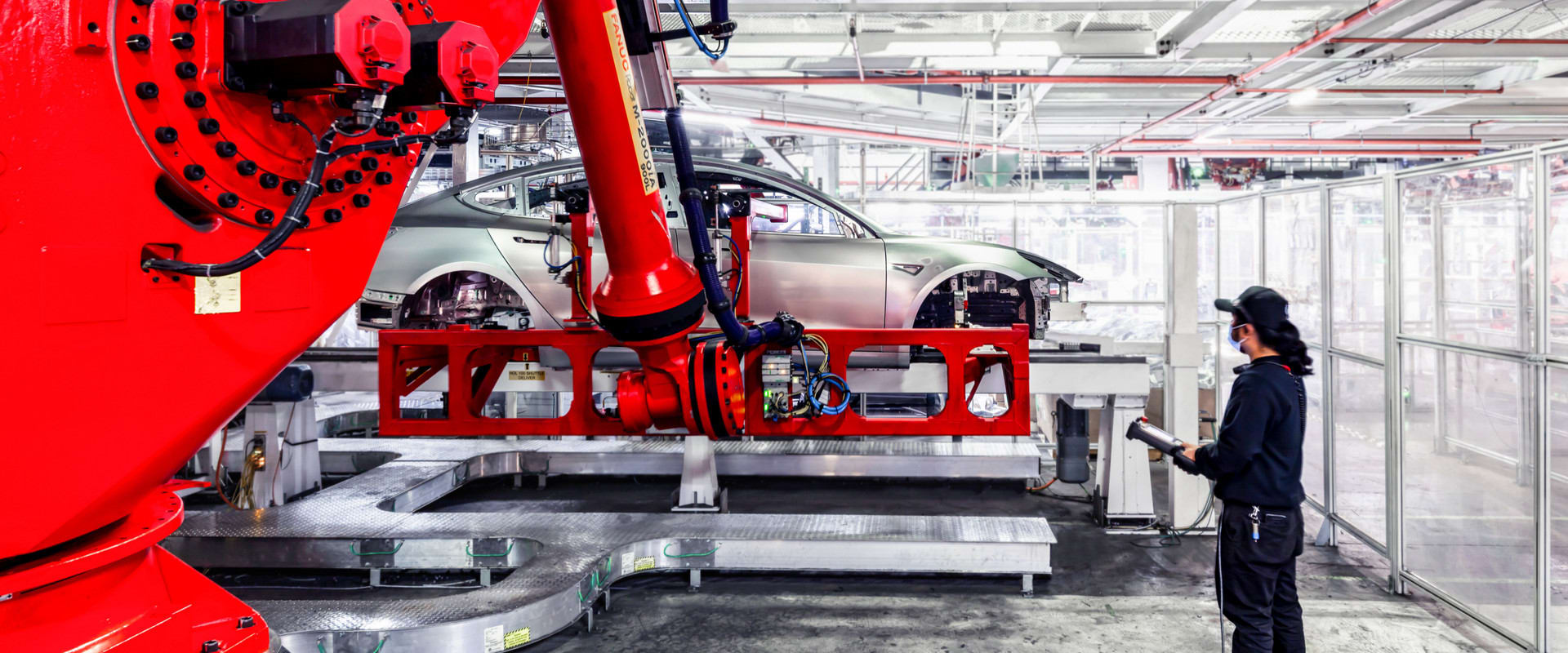
Tesla Fremont: planned capacity and actual production
The same quarterly report warns that installed capacity and actual production rates are not the same. Relevant factors include equipment and component availability, downtime for upgrades and other industrial constraints. The California Optimus entry was listed as under construction at the time.
It therefore helps to separate three elements: space freed by the old line, installation of the new process and its production ramp-up. The July film documents the first step; it does not, by itself, establish that the other two are complete.
What it means for Tesla followers
This archive coverage helps reconstruct the industrial sequence without confusing a strategic announcement with its execution. First comes the allocation of space to Optimus; then evidence of work on the automotive line. Assessing the outcome will require specific data about the new installation.
The post is not a commercial announcement for Italy: it contains no Italian Optimus price, sales date or purchase terms. For further developments, visit our EV and Tesla section.
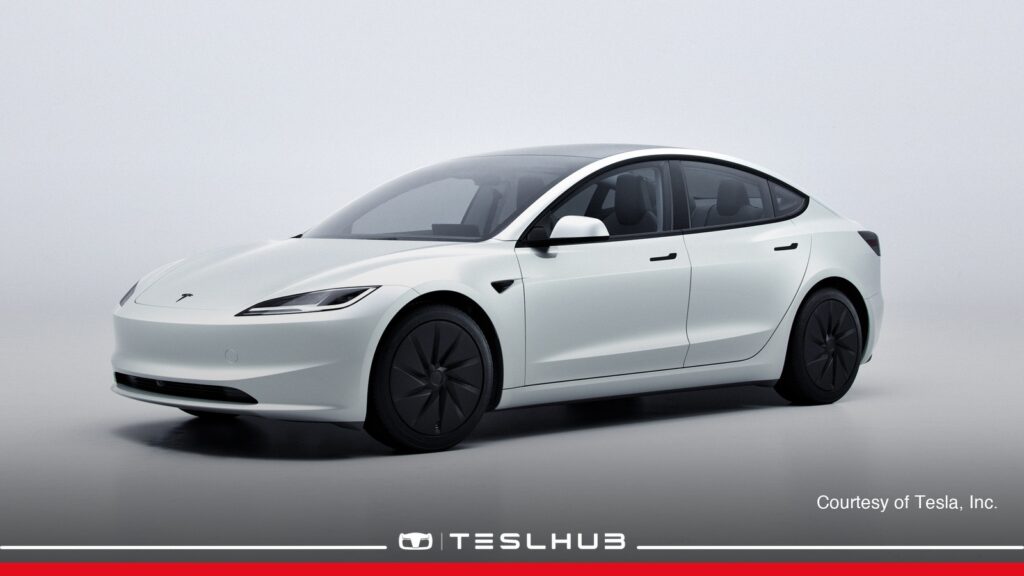
Sources: Tesla Manufacturing, 10 July 2026; Tesla Q1 2026 Update, Manufacturing & Hardware section. Model S and Model X cover from Teslhub’s library, used as archive imagery; video embedded from the original source.
Stay up to date with Teslhub
Follow the news on our Telegram channel and WhatsApp channel. Join us at Teslhub Members for questions and discussion.
See you in the next update!
Alessandro Marmaglio
Founder of Teslhub




Let’s discuss it
Experiences, questions and perspectives from the Teslhub community.
Please keep the discussion respectful. Members’ comments are moderated before publication.
Start the conversation. Leave the first comment.