
Historical news from September 2015, with the launch review updated to 3 November 2015. This archive article was prepared in October 2026.
An electric SUV able to carry a large family, with a bright cabin and unmistakable doors: in September 2015, the Model X began reaching customers. It was Tesla’s third model after the Roadster and Model S, offering a different approach to electric mobility for people seeking space.
The novelty went beyond its dramatic appearance. Bringing a new body style into production meant expanding the range and tackling additional industrial complexity. This combination of design ambition and practical difficulties makes the Model X debut interesting.
Model X: a US launch in September 2015
The first deliveries took place in the United States. On 2 October, Tesla included them in its preliminary total of 11,580 vehicles delivered in the third quarter. That number covered the entire range, not just Model X. The start of a model should therefore not be confused with thousands of examples of that particular car already delivered.
Europe and Asia were part of the planned expansion after the American debut. Reading that chronology today helps avoid a common misunderstanding: a presentation in the United States does not mean simultaneous availability in Italy with identical configurations and commercial terms.
Seven seats and a different approach to access
The design combined all-wheel drive and two electric motors with a cabin accommodating up to seven adults. The rear Falcon Wing doors defined access to the passenger rows, while the large panoramic windscreen was one of the cabin’s most recognisable features.
These choices explain why the Model X was more than a taller Model S. Accessibility, seating layout and the cabin’s sense of openness became central to the product’s identity. For a family, getting in and arranging passengers can matter as much as a stated performance figure.
Behind the doors, the challenge of the seats
In November 2015, the production ramp was still under way. Immediate constraints included components for the second-row monopost seats, whose production Tesla had brought in-house. Other suppliers were also increasing and refining their production processes.
This industrial detail adds depth to the launch story. A car can be ready for its first deliveries while still requiring considerable work to leave the factory consistently. Commercial launch and stable production are distinct stages, particularly when a design introduces unconventional solutions.
A different chapter in Tesla’s history
The Model X added an offering aimed at needs beyond the saloon: more seats and an SUV layout, while retaining exclusively electric propulsion. Part of its historical role lies in seeking a wider audience through a product with a particularly distinctive personality.
Years later, what seems most significant to us is the relationship between originality and everyday use. The most striking features attract attention; space and practicality then determine how well a design suits people. Which aspect of the first Model X interests you most?
Sources: Tesla’s preliminary third-quarter 2015 deliveries; Tesla’s shareholder letter of 3 November 2015; Tesla’s 2015 annual report.
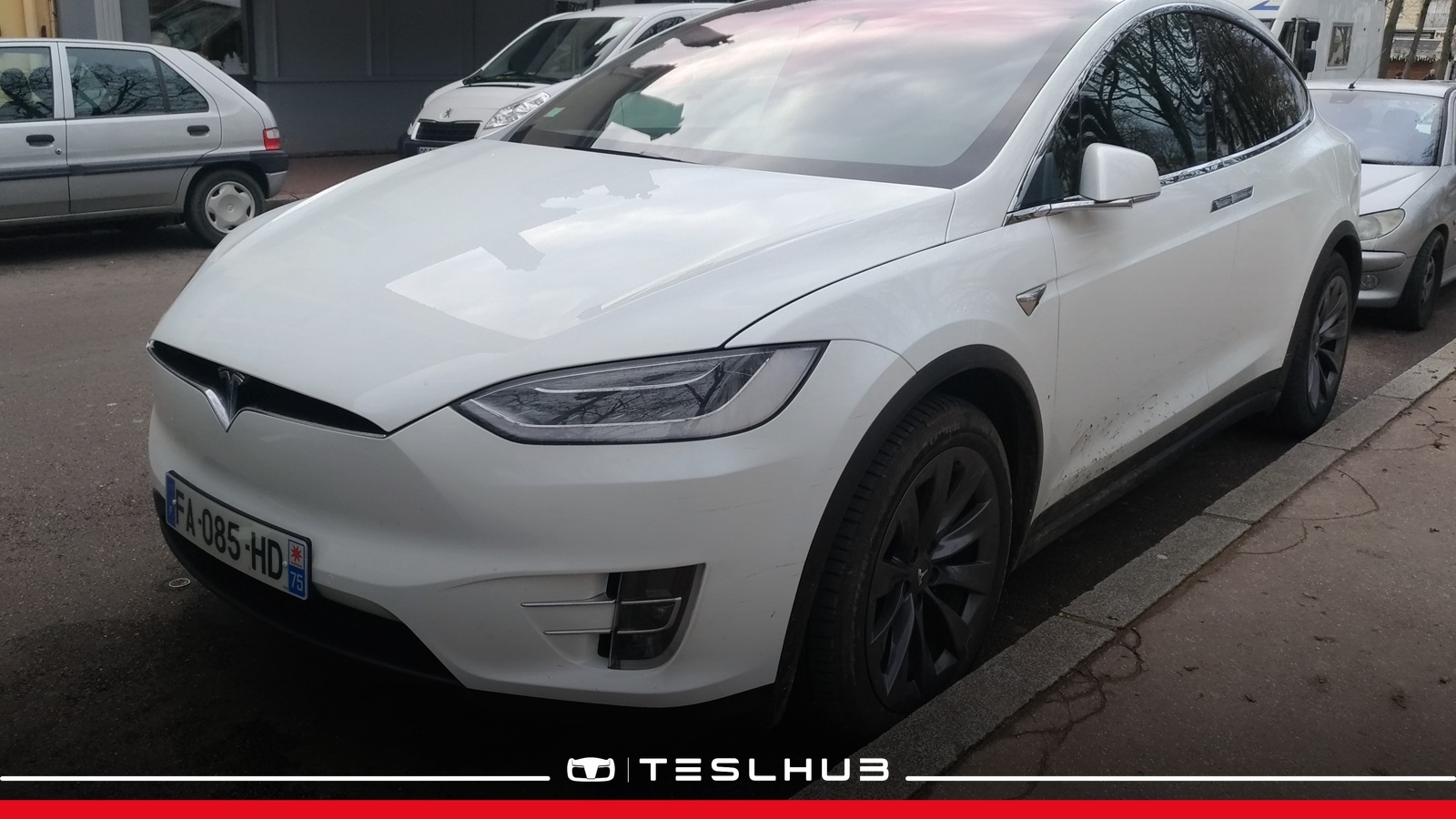
Cover: first-generation Model X, an archive photograph taken on 23 December 2018 by Guillaume Vachey, Wikimedia Commons, CC0 1.0. Cropped and overlaid with the original Teslhub PNG. It does not depict the 2015 launch or identify a specific launch configuration.



Let’s discuss it
Experiences, questions and perspectives from the Teslhub community.
Please keep the discussion respectful. Members’ comments are moderated before publication.
Start the conversation. Leave the first comment.