
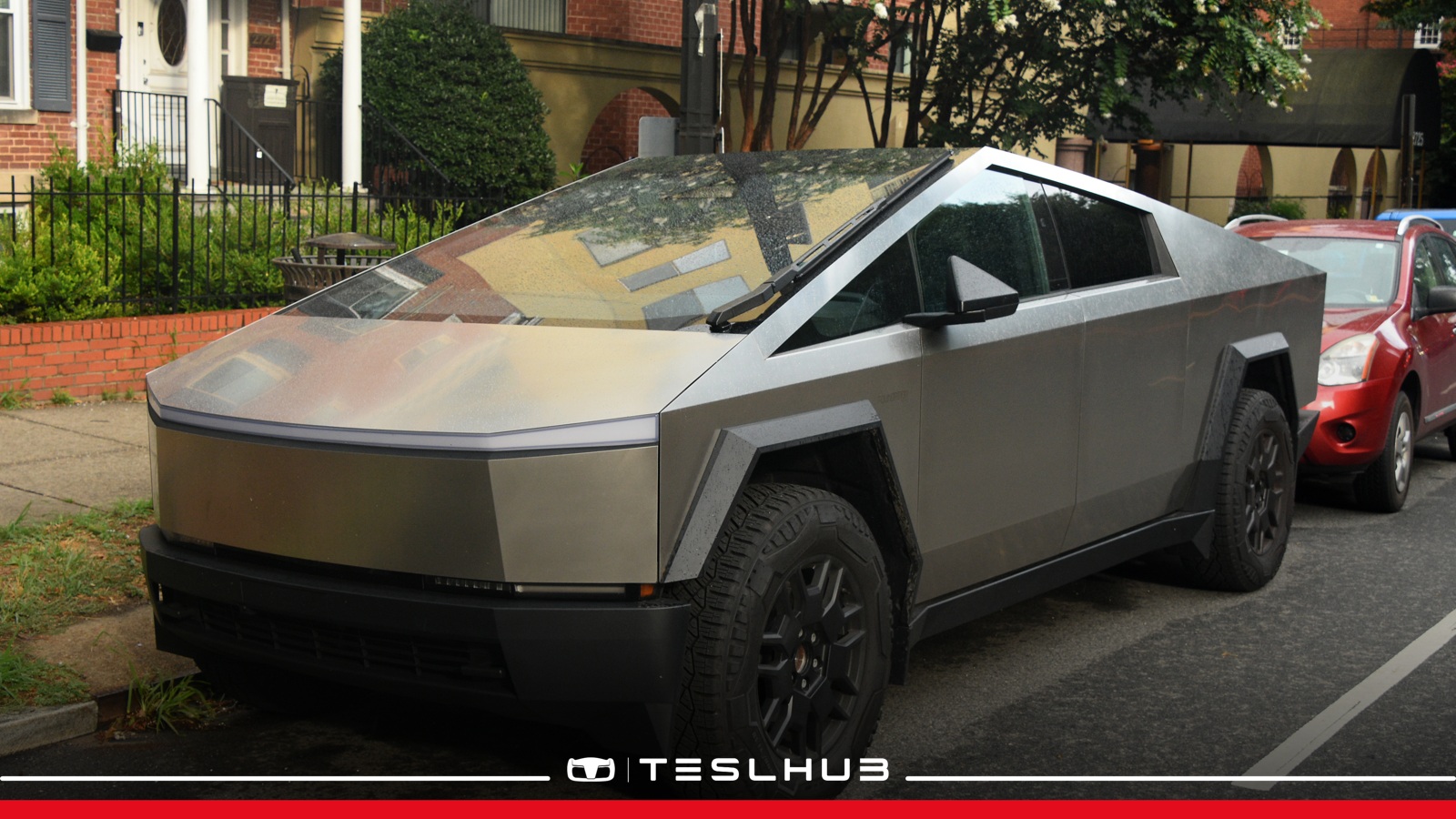
News from 18 July 2024, Canada. This archive article was prepared in October 2026. The decision and conditions described are those of the time, not an announcement of availability in Italy. The cover is an archive photograph from July 2024.
Bringing a new technology onto the road requires more than building it: it must also be assessed under rules often designed for different systems. In July 2024, the Cybertruck faced this step in Canada, where its electronic steering required a targeted exemption from part of the stability-control testing procedure.
The interesting point was the gap between the steering wheel’s behaviour and the prescribed procedure. This apparently small detail helps explain why entering a new car market is more than simply transferring a product already sold elsewhere.
Cybertruck: an exemption from a specific section
The decision, MVSA 2024-1, dated 18 July 2024, exempted the Cybertruck from section 7.9.4 of Technical Standards Document 126 on electronic stability control. The issue was the minimum ±270-degree steering wheel angle required for the test, which was incompatible with the pickup’s highly variable-ratio system.
The decision set an expiry date of 18 July 2029 and considered that the exemption would not substantially reduce the model’s overall safety. It was not a general exemption from every vehicle requirement.
An electronic command, not a mechanical connection
The Cybertruck’s steer-by-wire system has no mechanical connection between the steering wheel and road wheels. Sensors in the column electronically transmit commands to the steering racks. This differs from electric power steering that assists an existing mechanical connection.
The pickup also has four-wheel steering, helping reduce its turning circle. The two features are related within the design but describe different aspects: one concerns how commands are transmitted, the other which wheels participate in steering.
Redundancy is part of the architecture. Multiple sensors and actuators monitor the system; warnings and a gradual reduction in drive torque are provided for a potential problem. This does not mean every warning indicates loss of steering, nor does it make faults irrelevant.
Monitoring and updates remained subject to oversight
The exemption required six-monthly reports starting on 18 January 2025 on steering malfunctions, remedies and customer reports concerning steering angle and its effect on ESC. It also required immediate notification of relevant steering and stability OTA updates, explaining their effects.
This makes the case more interesting than a simple green light: software can change a component’s behaviour, and its relationship with assessment does not end at the initial decision.
A Canadian decision does not automatically open other markets
The decision concerned Canada. By itself, it did not specify a customer delivery date, announce prices or authorise sales or registration in Italy. These are separate matters requiring specific information and procedures.
Looking back, the episode reveals a less visible side of automotive innovation: changing an architecture also means addressing how it is tested. Are you more interested in how steer-by-wire feels or in the work needed to assess its behaviour?
Sources: Transport Canada, MVSA 2024-1 of 18 July 2024; Tesla, Cybertruck manual archived in 2024, Steer-by-Wire section, page 107.
Archive cover photograph: Amaury Laporte, Cybertruck photographed on 20 July 2024, CC BY 2.0. The photograph does not depict Canadian tests or deliveries. Adaptation: cropping and overlaying the complete original Teslhub PNG. No endorsement by the photographer is implied.




Let’s discuss it
Experiences, questions and perspectives from the Teslhub community.
Please keep the discussion respectful. Members’ comments are moderated before publication.
Start the conversation. Leave the first comment.