
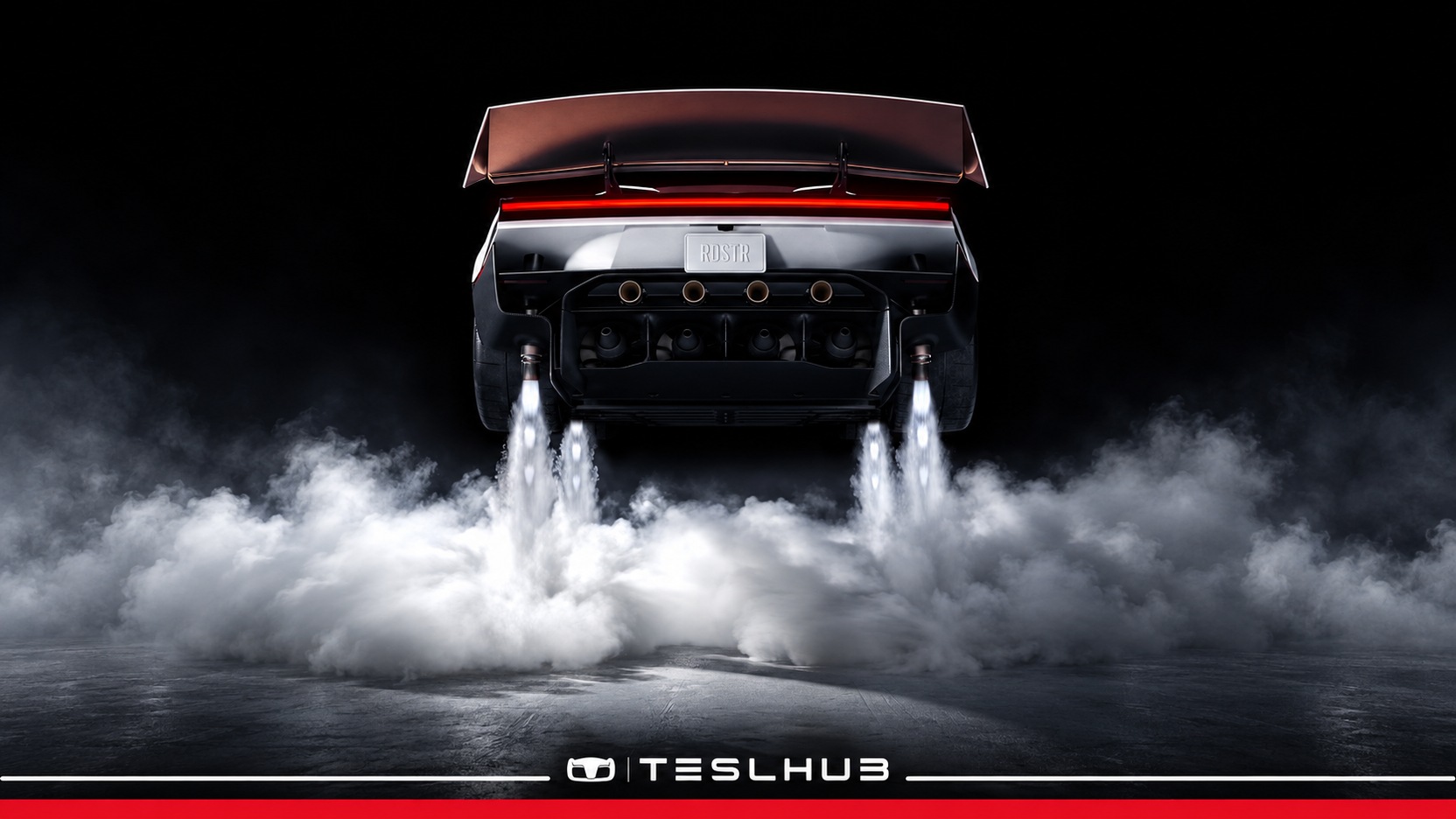
The new Tesla Roadster has flown. After years of promises, delays and previews, the presentation on 15 October 2026 took the electric sports car up a ramp and into the air. That moment spread across social media, but focusing only on the jump would miss the most interesting part: beneath the completely redesigned bodywork is a project combining active aerodynamics, underbody suction and cold-gas thrusters.
The surprises continue in the official specifications. Tesla distinguishes between Performance, Thrust and Rocket, with different intended uses and even different seating capacities. The Italian website gives Thrust a 0–100 km/h time of under one second; Rocket is the single-seat configuration presented as capable of flight, and is not approved for public roads. Here are the verified details, with images and references to Tesla’s videos.
The new Tesla Roadster: the key changes
- Three configurations: Performance for the road, track-oriented Thrust and invitation-only Rocket.
- Two seats in Performance and Thrust, one in Rocket.
- Thrust: 0–100 km/h in under a second: the claim on the Italian page, distinct from the US 0–60 mph figure.
- Active aerodynamics and multimodal suction: the design aims to generate downforce even at a standstill.
- Cold-gas thrusters: at the rear on Thrust, around the perimeter on Rocket.
- New cabin: steer-by-wire, Ultrawhite interior, microsuede and lightweight materials.
- Italian availability must be checked for each configuration: appearing on the local website does not remove regulatory restrictions.
In this guide: configuration comparison, performance, aerodynamics, SpaceX technology, design, interior, Italy and availability, official videos and frequently asked questions.
The unveiling: the moment Roadster left the ground
The demonstration brought to life a promise that had accompanied the project for some time. Seeing a car drive up a ramp and become suspended above the ground was very different from watching another standing-start launch. The smoke, lighting and ramp structure made the scene even more unusual.
It is also important to understand what that sequence documents: a demonstration organised in a controlled area. It does not mean drivers can take off from a road, fly over traffic or freely use every feature shown. Understanding the three configurations is essential to interpreting the spectacle correctly.
Performance, Thrust and Rocket: the differences
Talking generally about a “flying Roadster” risks mixing up different products. In its online presentation, Tesla positions Performance as the starting configuration, with Thrust and Rocket offered as upgrades. The capabilities described therefore do not all belong to the same car or to the road-oriented version.
| Configuration | Seats | Claimed features | Stated intended use |
|---|---|---|---|
| Performance | 2 | Active aerodynamics and multimodal suction | Road; reservations available |
| Thrust | 2 | Suction and rear cold-gas thrusters; 0–100 km/h in under 1 second on the Italian website | Track; limited version |
| Rocket | 1 | Suction and perimeter thrusters for forward and upward thrust and rotational control | Invitation only; not approved for public roads |
Performance: the road-oriented Roadster
Performance retains two seats and focuses on active aerodynamics and suction beneath the car. Tesla describes this configuration as road-ready. That does not mean it can automatically be credited with the performance achieved using additional thrusters, or with Rocket’s flight capabilities.
Thrust: the track-oriented upgrade
Thrust retains the two-seat cabin and adds rear cold-gas thrusters. It is presented as a limited, track-oriented version. The additional thrust is the feature accompanying the extreme acceleration claimed by Tesla Italy.
Rocket: a single-seater with flight capability
Rocket takes a different approach: one seat, invitation-only access and thrusters around the perimeter. Tesla attributes forward and upward acceleration to this configuration, as well as control over lateral rotational movements. The warning that it is not approved for public roads is an integral part of the description, rather than a detail to leave at the bottom of the page.
Tesla Roadster: 0–100 in under a second, but which version?
The most memorable figure is the one published on the Italian website for Thrust: 0–100 km/h in under one second. This is a manufacturer claim, not the result of our own test or an independent measurement.
Three pieces of information are needed to interpret it correctly: the car’s configuration, the units used and the test conditions. 0–60 mph and 0–100 km/h are not the same test: 60 mph is approximately 96.6 km/h. A US figure therefore cannot simply be republished with its label changed to kilometres per hour.
The US page lists a sub-second 0–60 mph time for Thrust, while the Italian page refers to 0–100 km/h. We keep the figures in their respective contexts, without deriving a precise time that Tesla does not specify in the relevant specifications. The material examined also lacks sufficient detail to compare each result with a conventional road test.
At this point, the interest goes beyond the stopwatch. It will be useful to understand how repeatable the performance is, how the gas supply is managed and how the car behaves over a complete session: aspects that a single spectacular launch cannot explain on its own.
Active aerodynamics and suction: generating downforce at a standstill
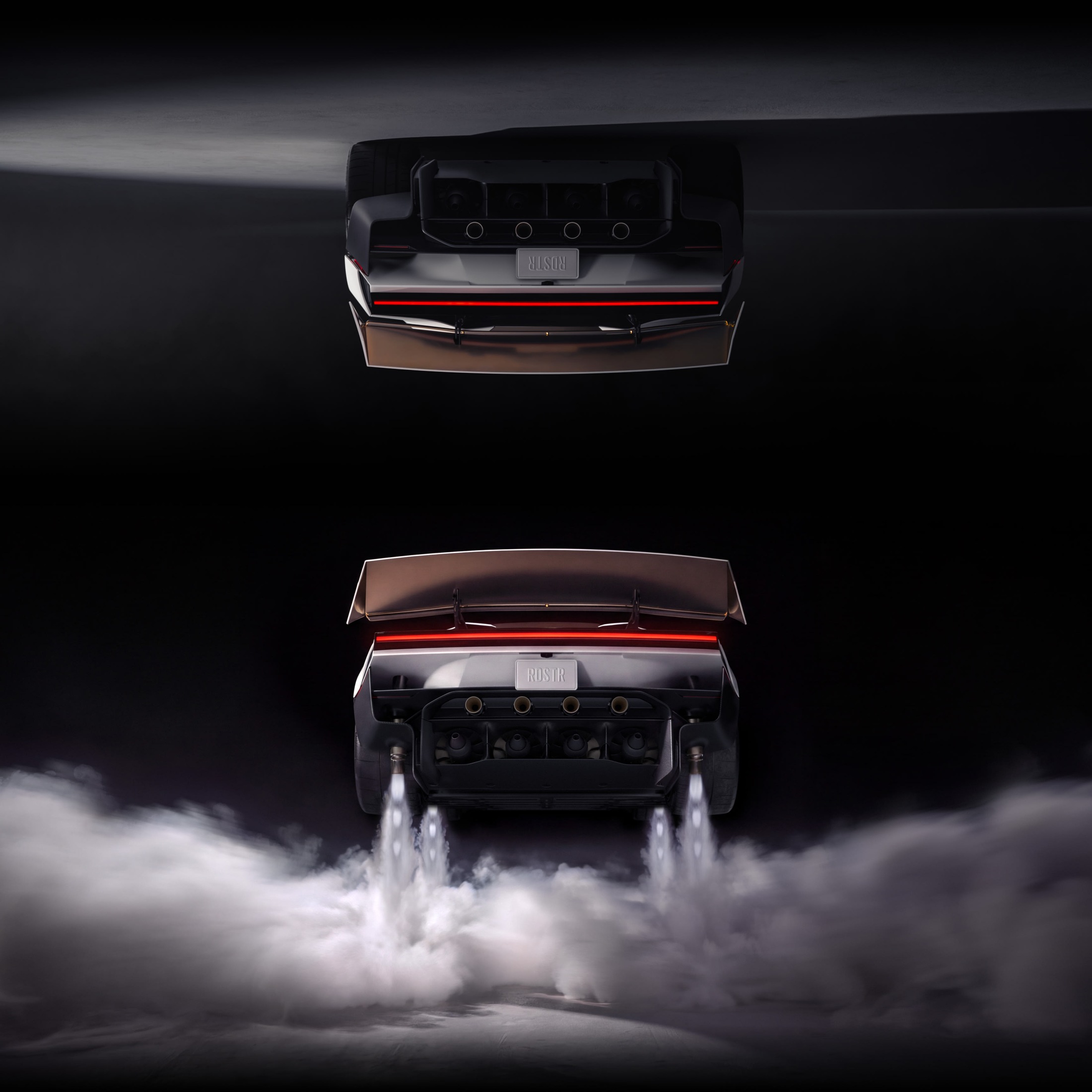
One of the central ideas is to generate grip without relying solely on the air encountered as the car moves. A conventional wing depends on airflow speed, whereas an active suction system can create a pressure difference beneath the vehicle even at very low speeds.
Tesla describes a combination of multimodal fans and ground sealing: air is extracted from beneath the car to generate downforce. The manufacturer says the suction can create enough force to support the car upside down, even while stationary. This is a capability claimed by Tesla, separate from regulatory approval and real-world operating conditions.
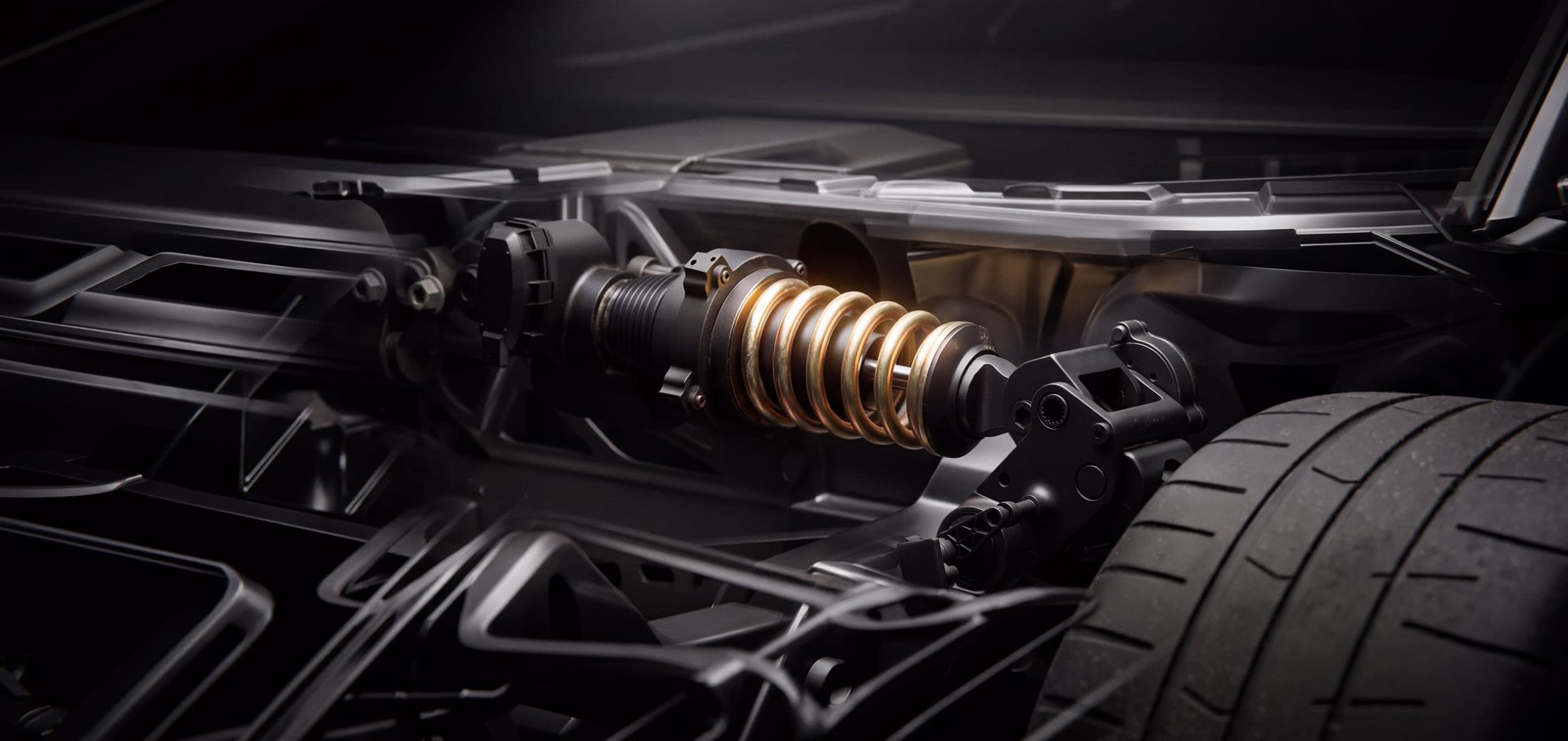
The project combines the fans with wings and movable aerodynamic elements. The US page explains that Track Mode lowers the car and adjusts the suspension setup, offering high-downforce or low-drag configurations for track use. In other words, Roadster aims to adapt its shape and chassis setup to the performance required.
Cold-gas thrusters, COPV tanks and SpaceX technology
The SpaceX connection appears in the engineering. In its updates, Tesla explains that transferring spacecraft propulsion technologies to a car required new components and control systems. It is therefore not simply a matter of fitting a rocket engine beneath a car.
The term cold gas describes thrust generated by expelling pressurised gas through nozzles; it should not be confused with combustion in a conventional rocket engine. Tesla also shows COPVs, carbon-fibre-wrapped pressure vessels, distributed through the spaces available in the vehicle.
For Rocket, thrust control must also stabilise the car when it is no longer on the ground. The official description refers to electric actuators capable of making small corrections in fractions of a second. This is very different from the rear thrusters’ contribution to longitudinal acceleration on Thrust.
This also helps avoid a misconception: the new Roadster does not use Starship’s large Raptor engines. The correct references in the project materials are to cold-gas thrusters and their pressure and control systems.
The new Roadster’s design: concealed headlights, Anodized White and gold-tinted glass
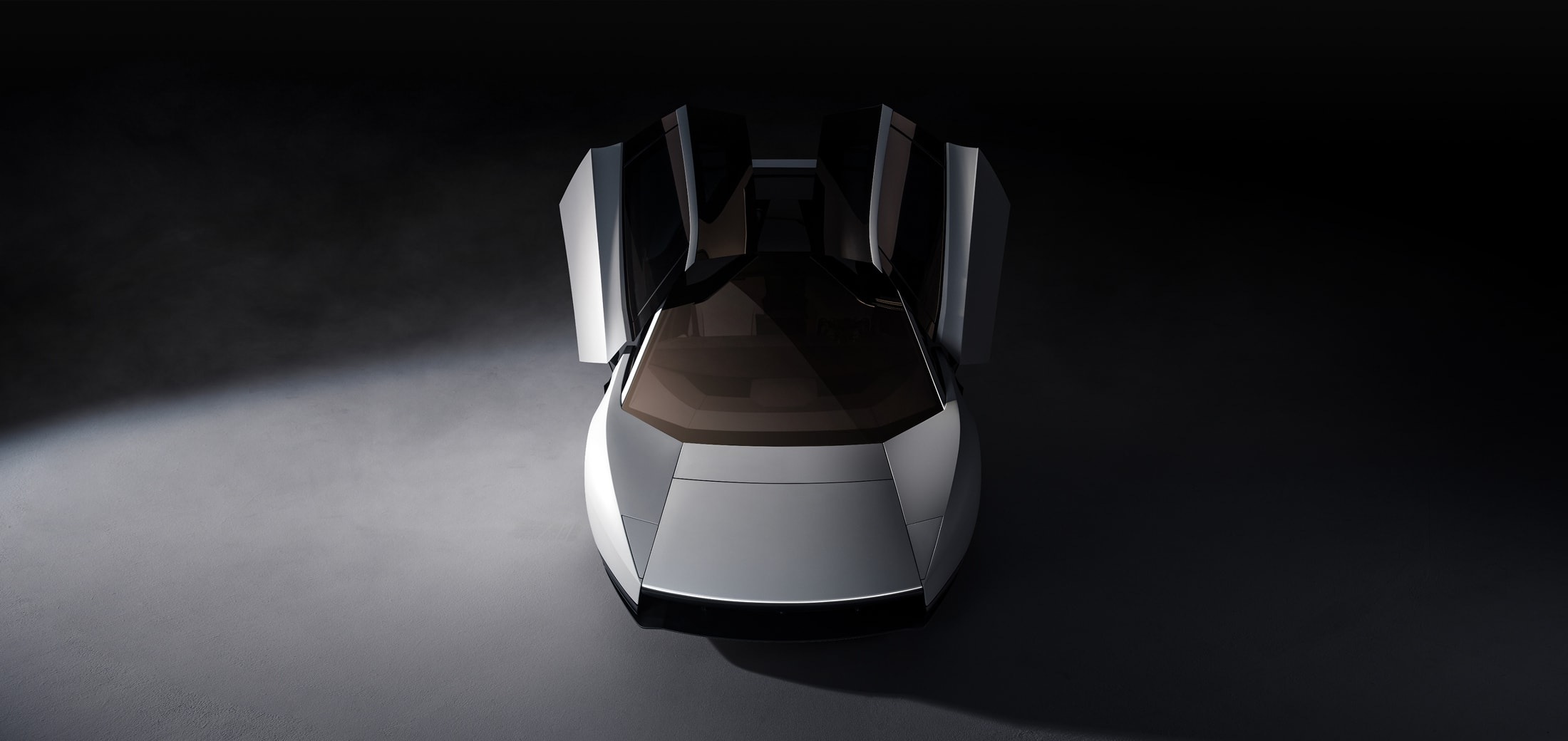
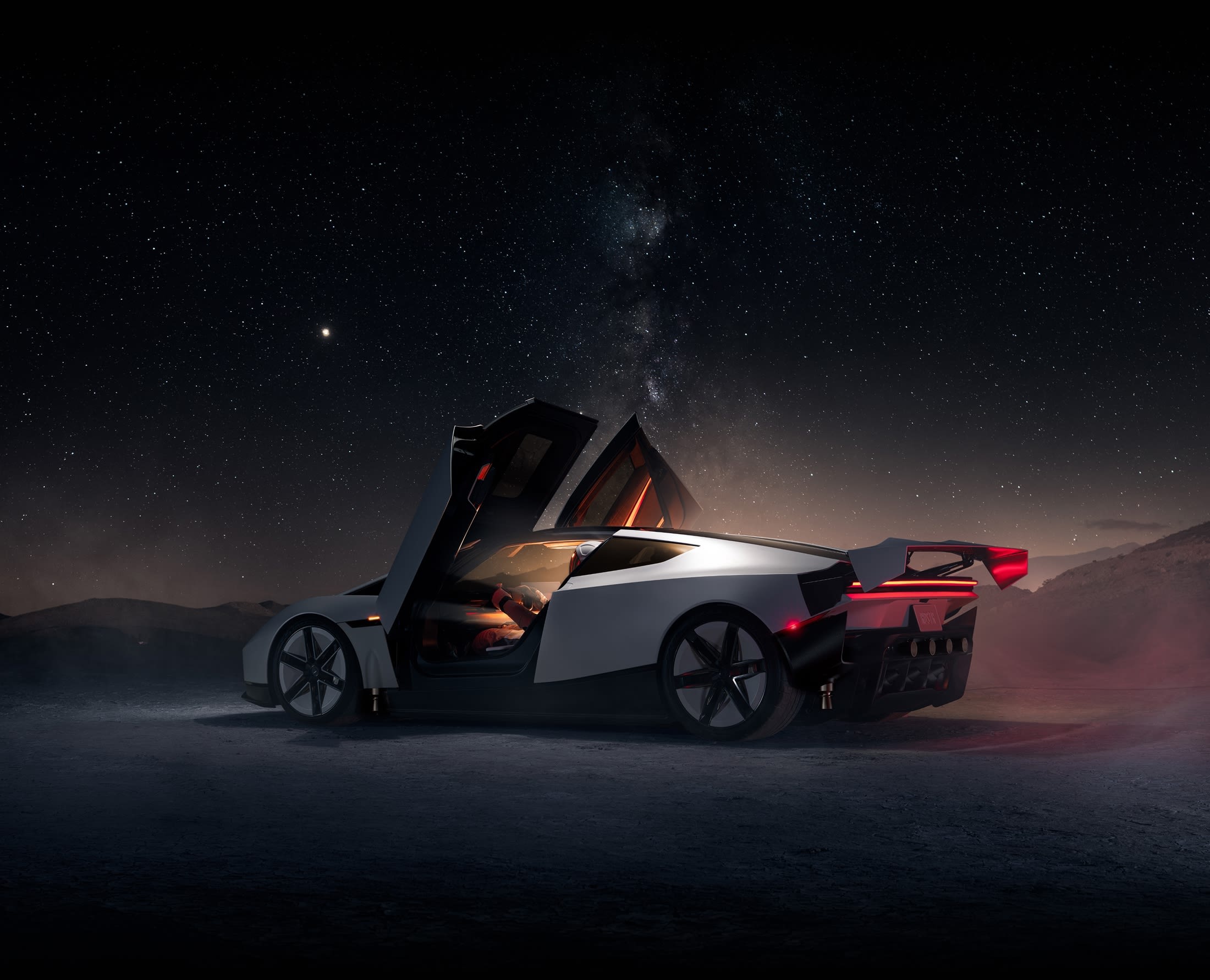
The change from the 2017 prototype is clear. Official images show a low nose, sharper surfaces and a rear end crossed by a horizontal lighting signature. The doors open upwards, while the aerodynamic components are designed to blend into the bodywork when not deployed.
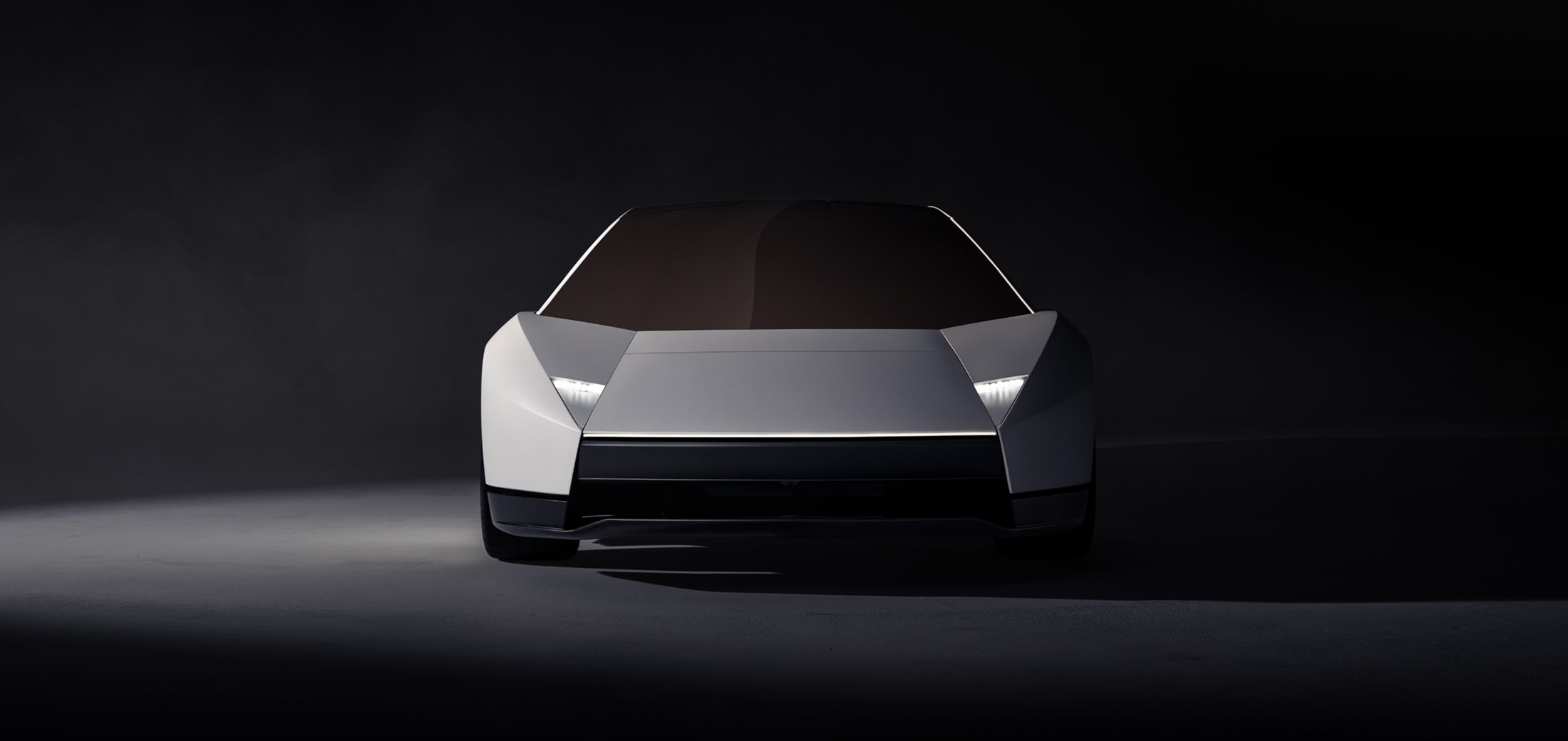
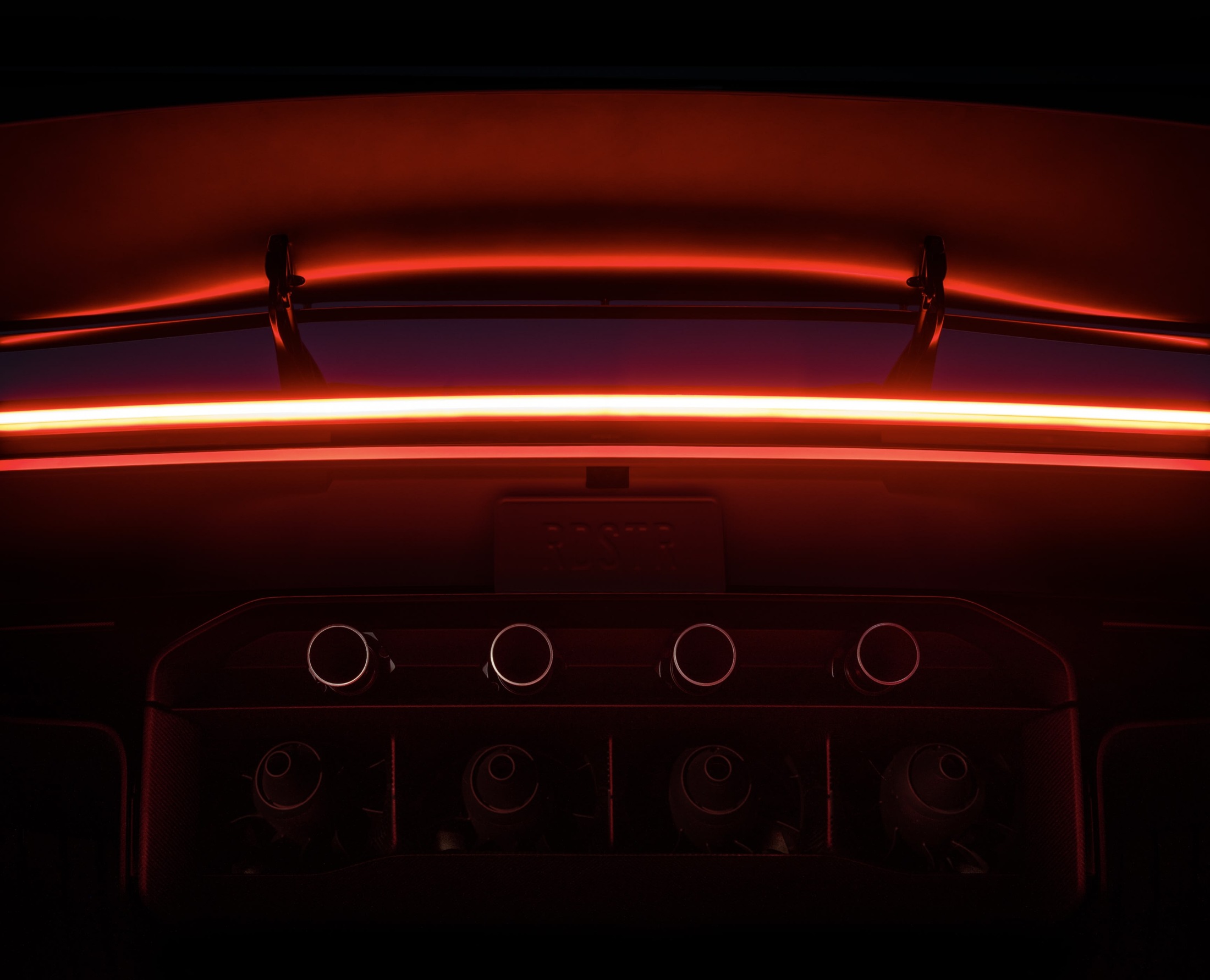
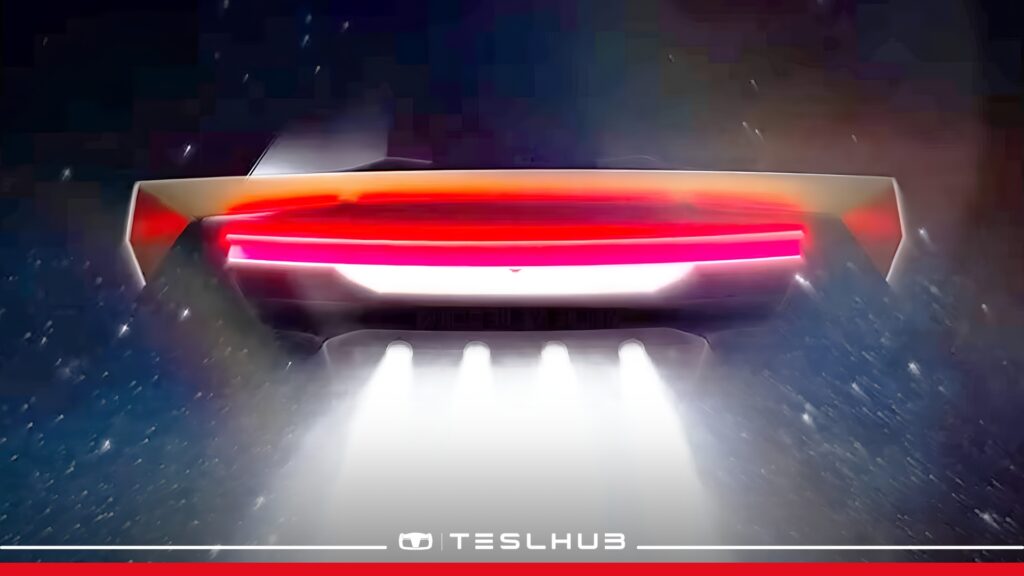
Tesla highlights retractable headlights, a full-width rear light, flush aerodynamic surfaces and ultralight wheels with slender spokes. Clean lines therefore do not mean an absence of components: many are designed to emerge or change function when needed.
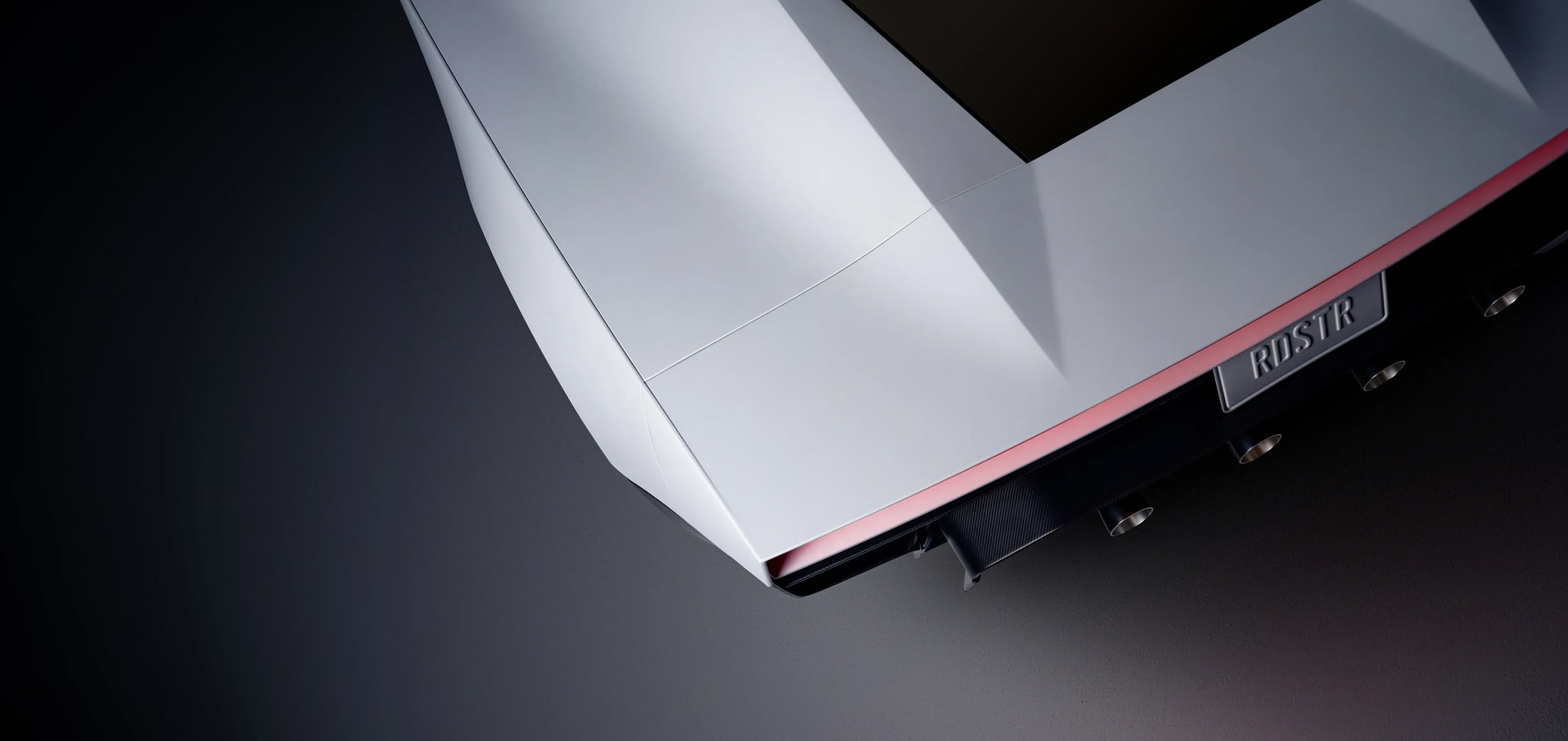
The Anodized White finish draws on aerospace techniques. The gold-toned glazing follows the same theme, visually referencing spacesuit visors alongside titanium details. That stated inspiration should not, however, be turned into a claim that a road car is certified to withstand the space environment.
Interior: Ultrawhite, microsuede, steer-by-wire and a fixed seat
The cabin moves away from the idea of a small sports saloon and appears built around the driver’s position. White seats contrast with dark surfaces, grey detailing and red lighting. Microsuede also appears on the bolsters, with the stated aim of improving body support.
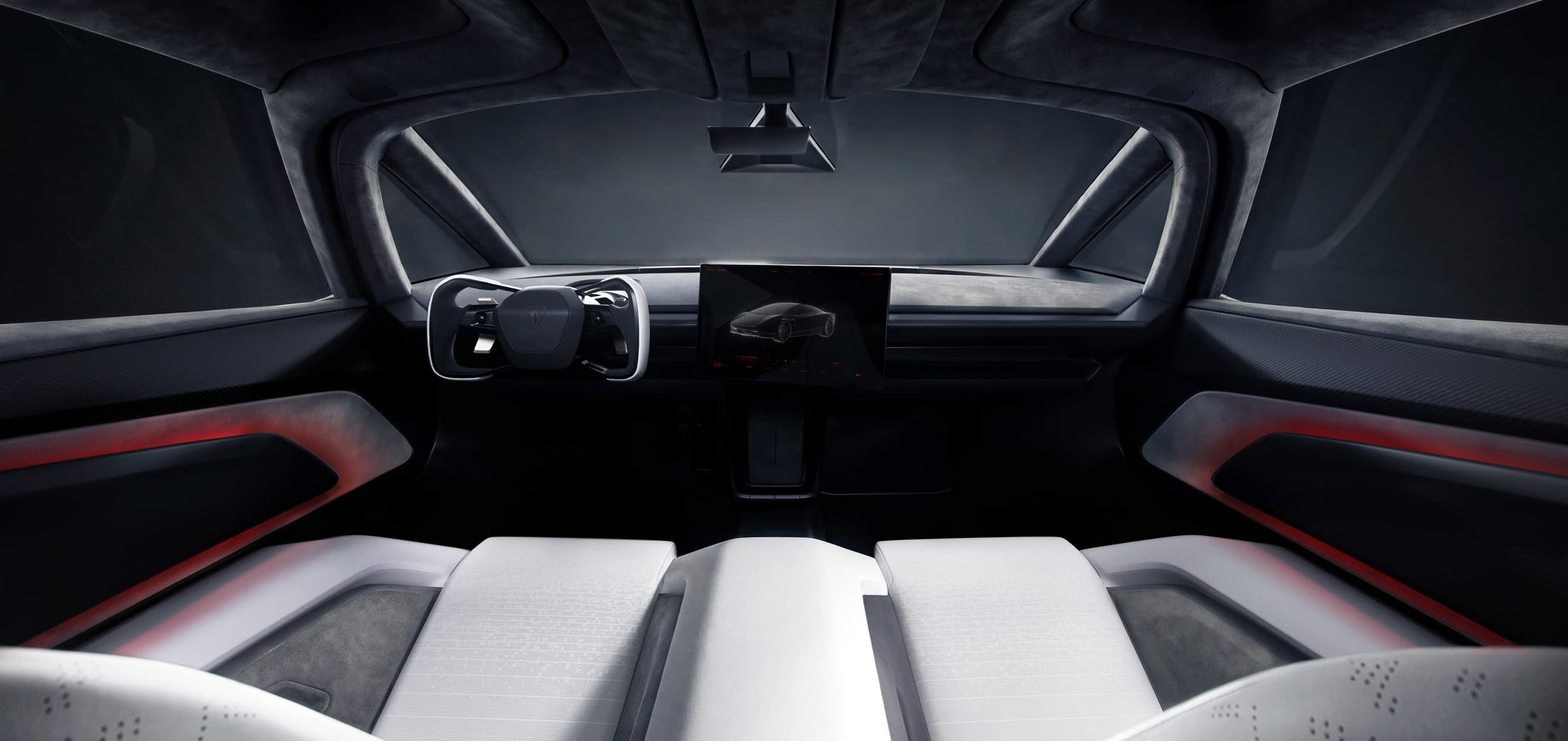
The US page specifies that the yoke is designed for steer-by-wire and that the central touchscreen is accompanied by two small front displays for driving information. The Italian description consulted does not include all these details, so we distinguish them from the local specifications.
Steer-by-wire transmits steering commands electronically; it should not be confused with autonomous driving. Managing the connection between the steering control and the wheels does not make the car capable of driving itself.
Tesla mentions a fixed seating position, manual controls, magnesium, titanium and carbon fibre as part of its weight-saving strategy. In practice, this points to weight-conscious engineering, but the published information is not enough to invent a final weight in kilograms or describe cabin adjustments that have not been shown.
Price, launch and availability in Italy: what we actually know
The Italian website includes a reservation link and presents Performance, Thrust and Rocket. This does not confirm that all three can be bought, delivered and used in Italy under the same conditions. Tesla makes availability subject to each region’s legal requirements and warns that Rocket may not be available everywhere.
The specifications also contain a note stating that the features and specifications shown relate to the optional Thrust upgrade. This is why the table, descriptions and warnings must be read together: the most extreme capabilities should not automatically be attributed to the base Performance configuration.
The Italian final price, delivery schedule and locally approved configuration are not defined by the specifications examined. We therefore do not present prices associated with the old prototype as a current price list, or confuse a possible reservation deposit with the car’s full cost.
Similarly, we do not carry over old range, battery capacity, top-speed or motor-count figures to the new project without fresh confirmation. A redesigned Roadster deserves updated specifications, rather than a collage of numbers announced in different years.
We will continue following developments in our dedicated Tesla Roadster section, distinguishing announcements from concrete steps towards production and delivery.
Official Tesla videos: where to watch Roadster again
To see the car in motion and revisit the demonstration’s context, these are the original videos published by Tesla. You can watch both the presentation film and the complete event livestream.
- Roadster: Tesla’s official presentation video for the new project.
- The official Roadster event livestream published by Tesla.
Frequently asked questions about the new Tesla Roadster
Can the Tesla Roadster really fly?
The presentation showed a demonstration with the car in the air. Tesla attributes flight capability to the single-seat Rocket configuration, which is not approved for public roads. It should not automatically be attributed to every Roadster.
Which Roadster does 0–100 in under a second?
Tesla Italy lists this figure for Thrust, the two-seat upgrade with rear cold-gas thrusters. It is a manufacturer-claimed performance figure.
How many seats does the new Roadster have?
Performance and Thrust are described as having two seats; Rocket has one. The old four-seat cabin does not describe these new configurations.
Can Roadster Rocket be used on public roads in Italy?
Tesla states that Rocket is not approved for public roads and that availability varies by region. Its appearance on the Italian page does not constitute approval for road use.
How much does the new Tesla Roadster cost?
The official specifications analysed do not establish an updated final Italian price for each configuration. Any reservation amounts should be considered separately from the final price.
A presentation with plenty to watch again
The flight scene will stay in our minds, but Roadster is also interesting for everything that makes it possible: how it generates downforce, controls thrust and changes between configurations. The most intriguing next step will be following the project beyond the stage, through repeatable tests, final specifications and concrete information for those who want to drive it.
As for the design, the debate is wide open. The new lines make a clear break with the past: do you prefer this Roadster, or were you attached to the previous prototype?
Stay up to date with Teslhub
To keep up with the latest developments, subscribe to our Telegram channel and follow us on WhatsApp: all the news, straight to your smartphone.
To talk about Tesla, ask questions and share your experience, join Teslhub Members. See you in the next article or on our social channels. See you soon!
Alessandro Marmaglio
Founder of Teslhub
Sources and images: Tesla Italy, Tesla US, official Tesla updates on the exterior, interior, thrusters and tanks and configurations. Editorial verification: 16 October 2026. Cover: supplied image, adapted to a horizontal format by extending the background.



Let’s discuss it
Experiences, questions and perspectives from the Teslhub community.
Please keep the discussion respectful. Members’ comments are moderated before publication.
Start the conversation. Leave the first comment.