
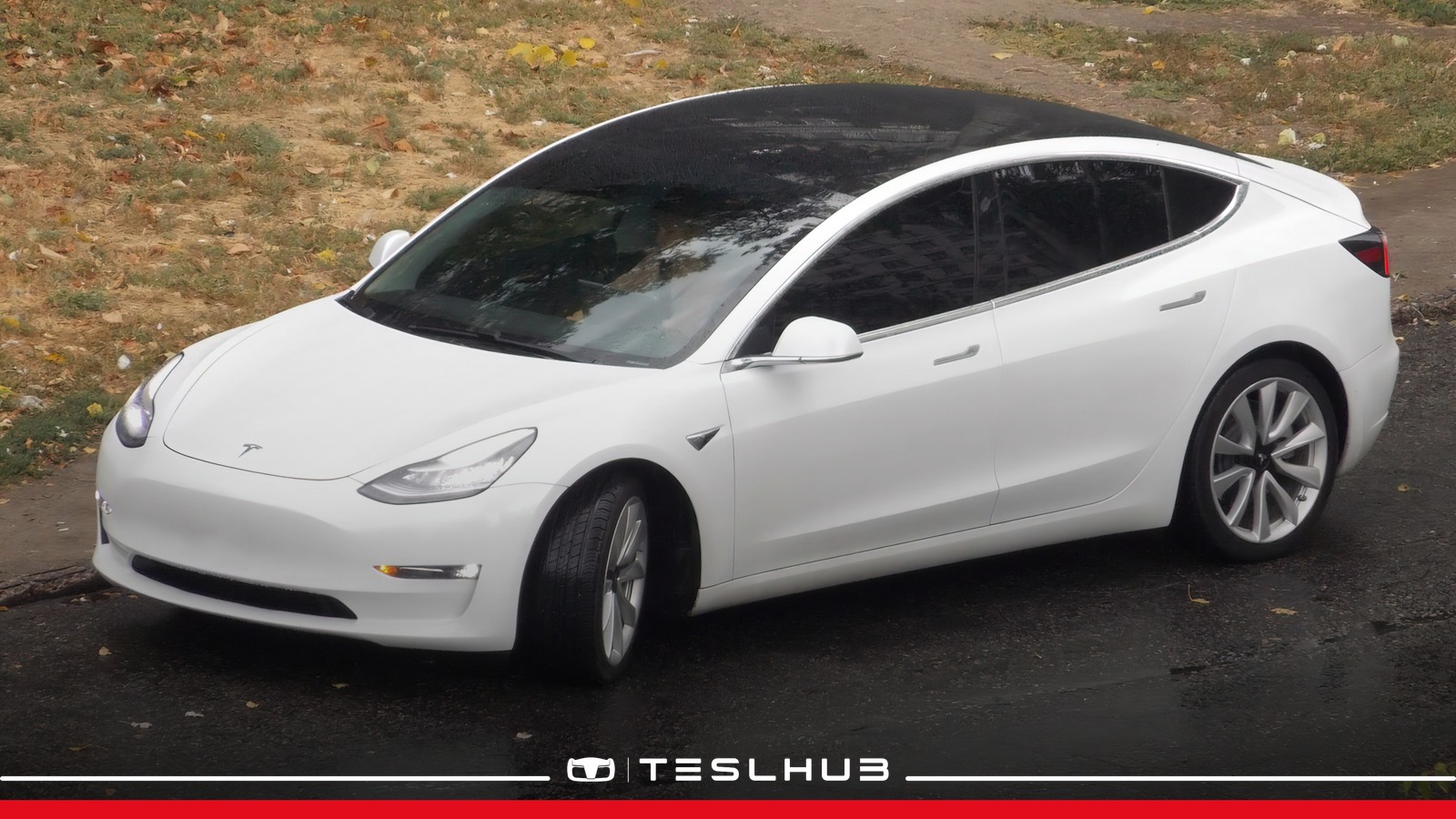
Photograph of a Model 3 from the 2017–2023 generation; it does not show the car used in the test.
Archive article written on 4 November 2026.
For an electric car, using less energy means making better use of each charge. In November 2022, the Tesla Model 3 achieved five Green NCAP stars and an overall index of 9.8 out of 10. This recognised environmental performance and was distinct from crash-safety testing.
The Model 3’s 2022 test results
The assessed car was a rear-wheel-drive Standard Range Plus. Its results included 10 out of 10 for tailpipe pollutants, 9.6 for energy efficiency and 9.8 for greenhouse gases. The last measure also accounted for the electricity needed to power the car: having no exhaust does not make the way that energy is generated irrelevant.
The highway test recorded 21.1 kWh per 100 km, while the low-temperature laboratory test reached 28.5. These were measurements under defined conditions, not guaranteed consumption for any journey. Cold weather and speed alter energy demand even when the car itself stays the same.
How to read those five stars
The result concerned the model and protocol assessed at the time. It did not certify every Model 3 version equally or replace a Euro NCAP safety assessment. Comparing two cars requires attention to the test conditions as well as the number of stars.
The useful connection is between efficiency and everyday use. A large battery provides an energy reserve; an efficient car makes better use of it. They are different qualities, both relevant when assessing an electric vehicle.


Let’s discuss it
Experiences, questions and perspectives from the Teslhub community.
Please keep the discussion respectful. Members’ comments are moderated before publication.
Start the conversation. Leave the first comment.