

Tesla Q3 2024 deliveries reached 462,890 vehicles worldwide. The quarter also closed with 469,796 cars produced and 6.9 GWh of energy storage deployments. These are three different measures: cars delivered, vehicles leaving factories and the capacity of energy storage systems deployed during the period.
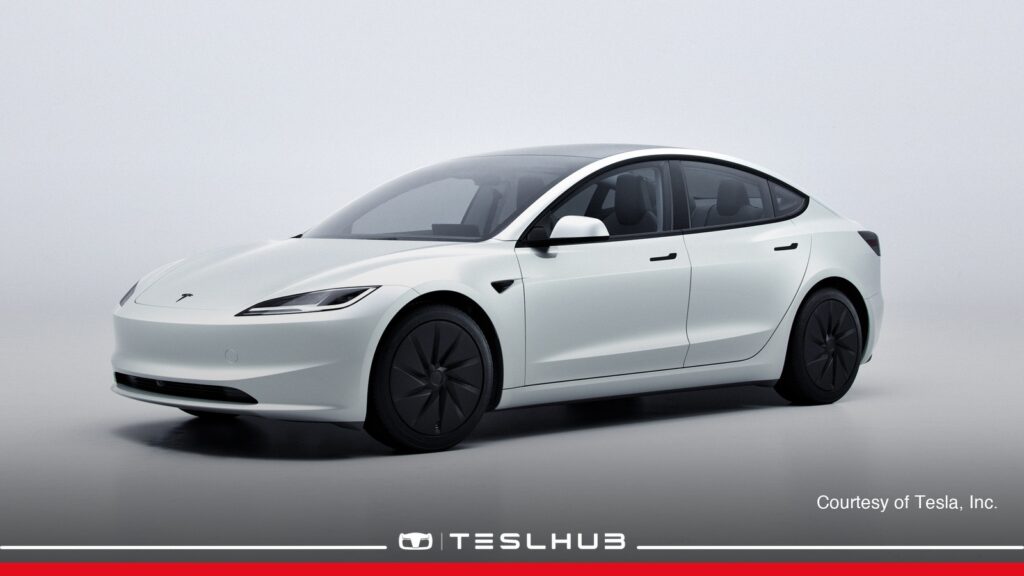
Archive coverage published on 24 October 2026. The editorial date of 24 October 2024 places the content in the period of the documents cited; this text was not published then. Figures and analysis are limited to information available at that date. The cover is a Model 3 archive photograph, rather than a photograph of quarterly deliveries.
In this article
Tesla Q3 2024 deliveries: the global figure
Tesla communicated July, August and September volumes in its official release of 2 October 2024. Deliveries were 6,906 units below production in the same quarter. Subtraction describes only the gap between two flows, rather than measuring every vehicle in inventory.
In the operational comparison published with its 23 October results, Tesla reported 435,059 deliveries for Q3 2023 and 443,956 for Q2 2024. Against those references, Q3 2024 deliveries rose around 6.4% year on year and 4.3% quarter on quarter. These percentages are calculations using official figures, rounded to one decimal place.
Model 3 and Model Y within the total
Model 3 and Model Y together accounted for 439,975 deliveries and 443,668 vehicles produced. “Other models” recorded 22,915 deliveries and 26,128 units produced. The statement does not separate individual models within the two groups, so it does not allocate a precise part of the total to the saloon or SUV alone.
This aggregation matters when reading a sales headline. Calculating that Model 3 and Model Y represent around 95% of deliveries is possible; turning that share into a specific figure for Model Y demand would require a breakdown not provided here. The same limitation applies to individual vehicles grouped under other models.
Energy storage: 6.9 GWh
The energy figure is 6.9 GWh of storage deployed during the quarter. It concerns storage capacity, rather than instantaneous power or electricity generated by cars. Units help avoid an inappropriate comparison: vehicles are counted individually, while energy capacity is measured in watt-hours and their multiples.
Tesla Q3 2024 deliveries and storage deployments therefore describe two activities within the same group without being interchangeable. Adding them together or using one to explain the other automatically would be meaningless. Follow the energy activity through our Tesla news and analysis, retaining the distinction between product, period and market.
How to read production and deliveries
Production and deliveries do not necessarily coincide during the same period. A car completed at the factory and one delivered to its customer represent different stages. Reading a quarterly series requires consistent comparison criteria and checking whether the figures concern global totals, regional data or individual models.
The release also cautions against using these volumes as a substitute for financial results. A vehicle count alone does not contain revenue, costs or margins. The contemporary operational reference is the Tesla Q3 2024 document of 23 October: tables should be read with their definitions, rather than inferring a financial result merely from rising deliveries.
What these figures tell readers in Italy
These are worldwide figures: they do not establish how many cars were registered in Italy or when a specific order will arrive. Nor do they document an Italian price change or a new incentive. Those questions require local information relevant to the time of enquiry, distinct from quarterly totals.
The archive account preserves a verifiable reference in Tesla’s chronology: which figures were available, which period they covered and what conclusions they actually supported. For later comparisons, the same official table remains the starting point, rather than replacing historical data with a newer update.
Follow community news and discussions through Teslhub’s official channels.
Alessandro Marmaglio — The Teslhub team




Let’s discuss it
Experiences, questions and perspectives from the Teslhub community.
Please keep the discussion respectful. Members’ comments are moderated before publication.
Start the conversation. Leave the first comment.