

Tesla’s next major hardware leap is finally entering a tangible production phase. Samsung has begun trial production of the AI5 chip at its new Taylor factory in Texas, starting physical validation of the component expected to power the company’s next generation of artificial-intelligence systems.
According to South Korean media reports, Samsung has started producing the first wafers using a 2-nanometre manufacturing process at the Texas factory. The early start to trial production is reportedly also linked to Tesla’s major $16.5 billion contract for production of its next-generation chips.
AI5 promises a major performance leap

The new AI5 is expected to be more than an incremental development of the current AI4: it would represent a generational shift in Tesla hardware. Elon Musk has previously said that a single AI5 chip could offer around five times the computing power of two AI4 chips combined. Current Teslas equipped with Hardware 4 use two AI4 processors on the same board.
The result would be a substantial increase in computing density, potentially accompanied by improved energy efficiency. More processing power would also allow increasingly complex AI models to run, which is particularly important for the development of FSD and Tesla’s other AI applications.
Optimus first, cars later
Despite the new chip’s importance, AI5 is not expected to appear immediately in Tesla’s road cars. In previous months, Elon Musk had confirmed that AI5’s design was complete and had passed tape-out, the stage preceding physical fabrication of the first chips.
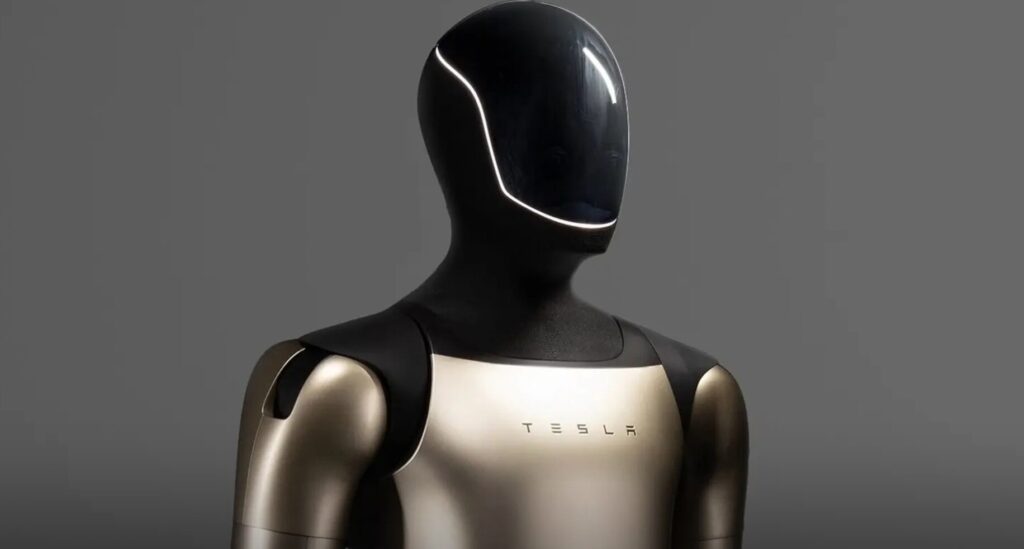
Under the current roadmap, Samsung is expected to complete production-yield verification by the end of 2026, with mass production planned for 2027. Tesla reportedly intends to use AI5 initially in Optimus, its humanoid robot, and in clusters dedicated to training AI models in its data centres.
The new hardware is expected to reach cars only later. That choice also reflects Tesla’s view that the current AI4 remains powerful enough to support further FSD development, including future unsupervised autonomous-driving functions.
What about Teslas with Hardware 3?
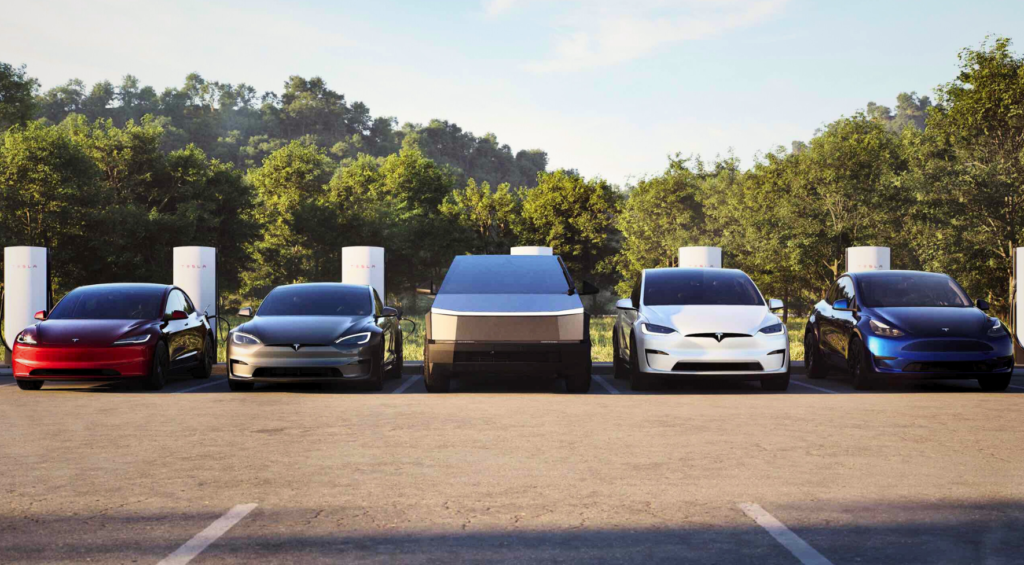
Tesla has acknowledged that HW3 might not be sufficient to meet its future full-autonomy goals and has already discussed an intermediate hardware solution, referred to as AI4+ or AI4.5, with more memory and potentially intended for retrofitting existing vehicles. However, definitive details about the availability of that upgrade have not yet been announced.
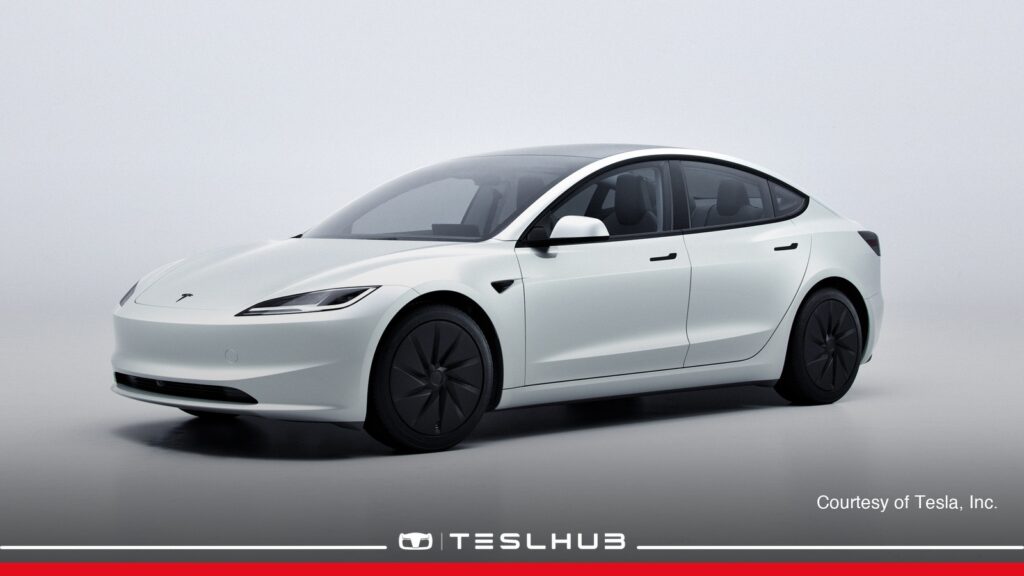
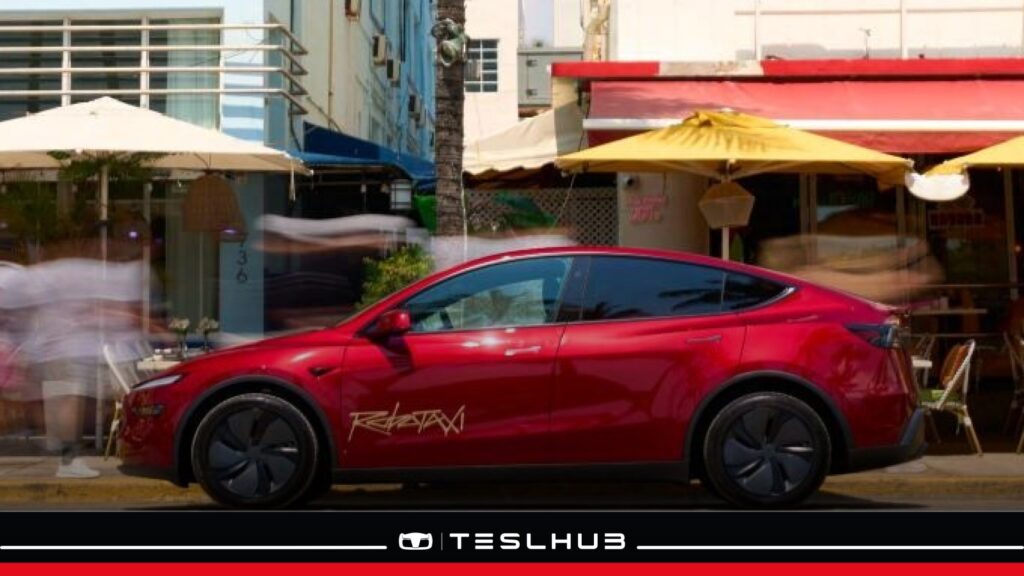
The start of AI5 trial production is therefore an important step in Tesla’s hardware roadmap. The new chip may debut away from the Model 3 and Model Y, but its production marks a concrete beginning for the next generation of the company’s AI infrastructure.
The most interesting development will be seeing where AI5 debuts and which applications benefit first. Are you mainly waiting for it in cars, or more curious to see it working in Optimus? Join the discussion in the comments.



Let’s discuss it
Experiences, questions and perspectives from the Teslhub community.
Please keep the discussion respectful. Members’ comments are moderated before publication.
Start the conversation. Leave the first comment.