
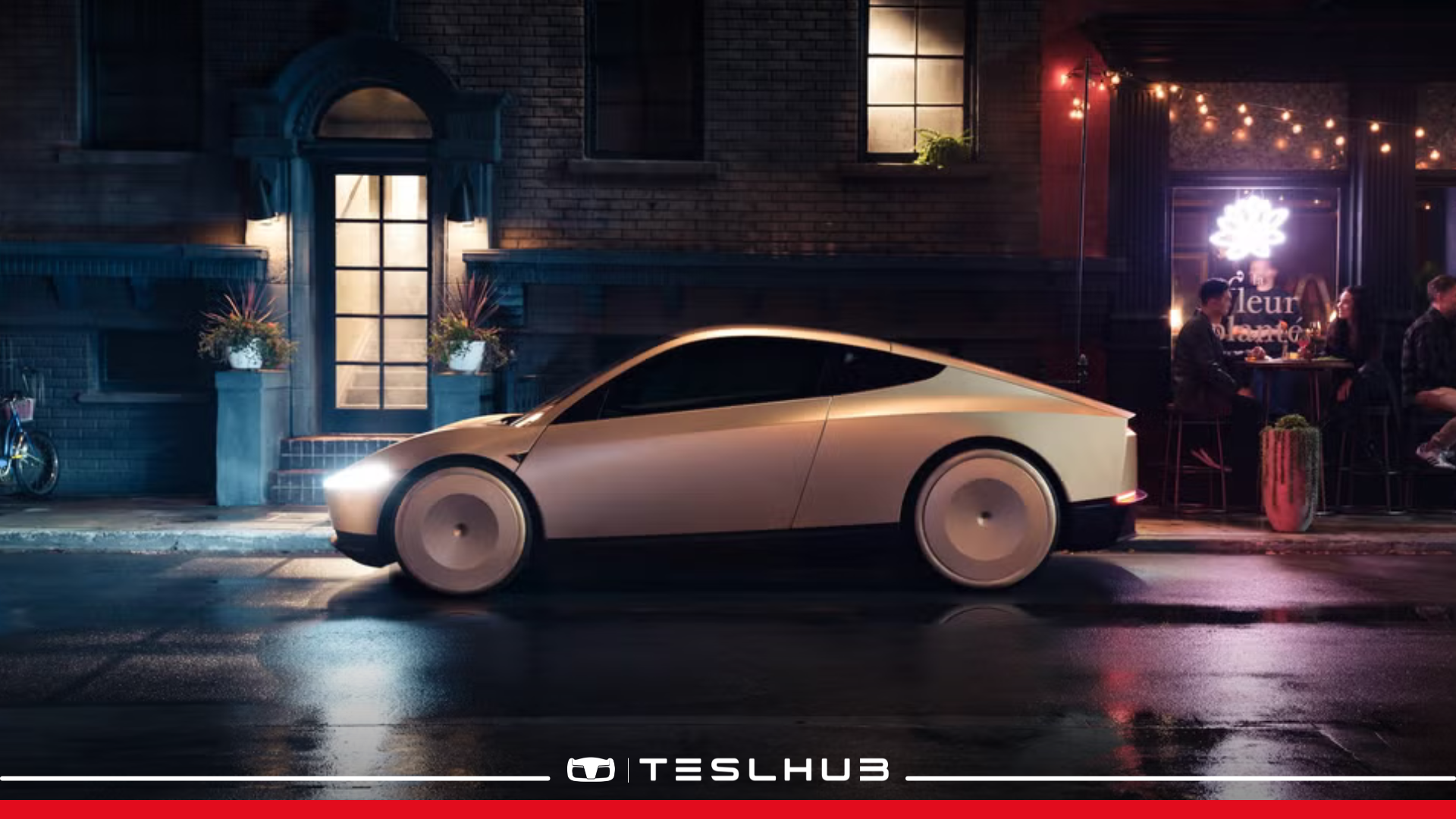
The wait was almost over—or so the announcement suggested. Elon Musk said Tesla’s autonomous robotaxi service would officially launch in June 2025 in Austin, Texas. It was a potentially significant step for electric and autonomous mobility, with possible longer-term implications for Europe.
A step towards fully autonomous driving
During Tesla’s fourth-quarter 2024 earnings call, Musk said robotaxis were no longer a distant, unattainable idea. The plan was to begin with a fleet of company-owned vehicles using an unsupervised version of Full Self-Driving (FSD).
Driverless cars were expected on Austin’s streets that summer, with the aim of expanding to other US cities by the end of the year. These were the launch plans discussed at the time, rather than a description of a service already operating.
Cybercab? Not necessarily
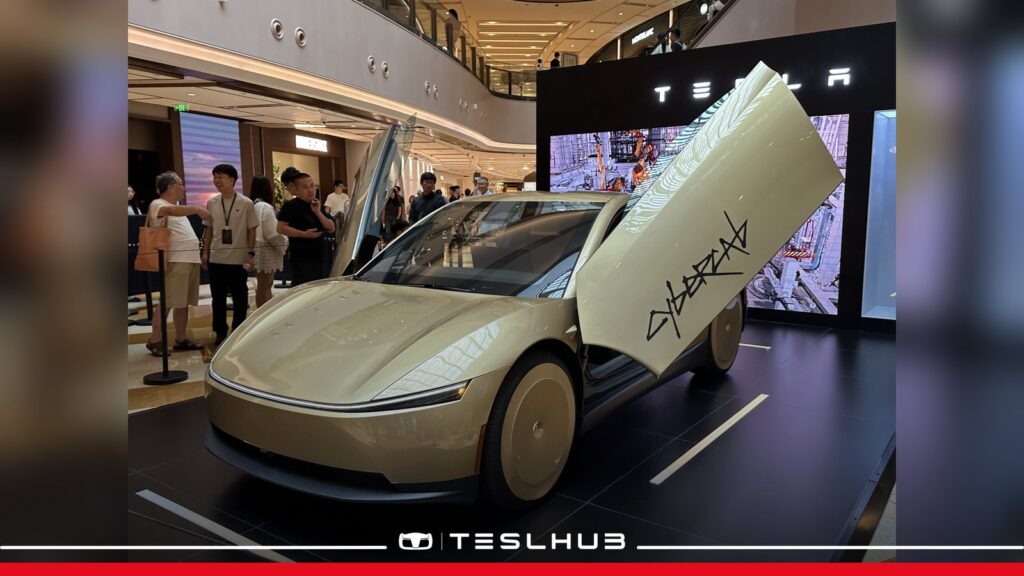
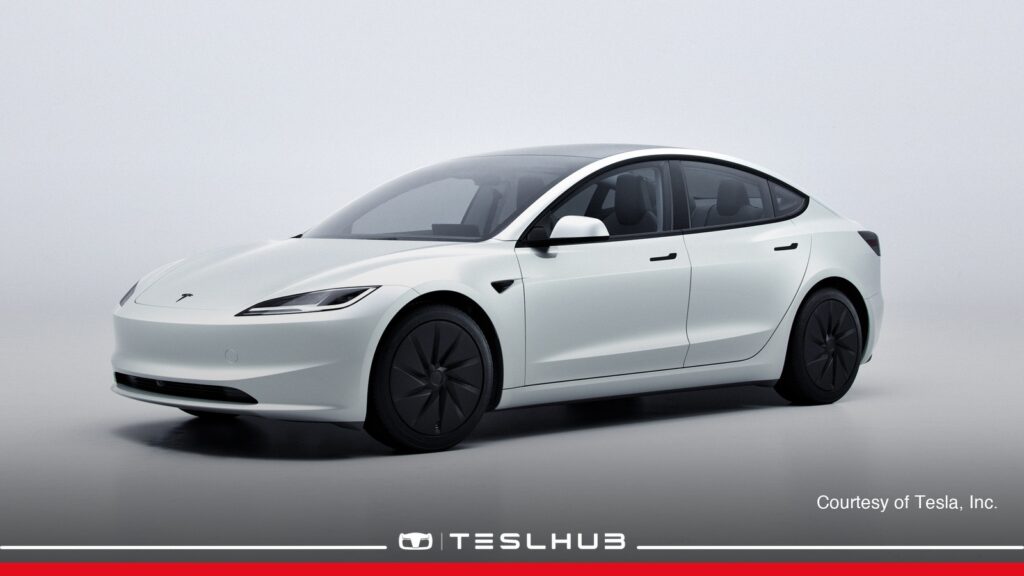
Despite the rumours, the initial fleet did not appear likely to include Cybercab, the vehicle designed specifically for autonomous ride-hailing, which was expected to enter production in 2026. Instead, Tesla was expected to use Model 3 and Model Y cars. Unsupervised vehicle movements were already being demonstrated at its Fremont factory in California, a controlled setting distinct from a public-road robotaxi service.
Safety first
Safety was central to the project. Musk said Tesla was targeting standards above those of the average human driver, noting that any incident involving autonomous driving immediately attracted scrutiny.
To avoid difficulties like those encountered by Uber and GM Cruise, Tesla planned to proceed cautiously. The aim was to make every part of the service—from requesting a ride to payment—work reliably.
What about Europe?
A European rollout was expected to be more complicated. Musk described European regulation as a significant challenge. Approval for autonomous vehicles would involve the Dutch regulator Tesla worked with for EU type approval. At the time, the report put a potential European arrival no earlier than 2026, subject to regulatory developments; it did not establish that approval had been granted.
The next step: an Airbnb for cars?
Beyond Tesla-owned robotaxis, Musk repeated his vision of a service that would let owners make their cars available when not using them. The report discussed potential additional income of up to $30,000 a year, an aspiration rather than a guaranteed return. This second phase was expected to take longer, with a 2026 target once the system had been refined.
Looking ahead
With its planned Austin robotaxi launch, Tesla was preparing for a possible shift in urban mobility. If the project succeeded and obtained the necessary approvals, driverless cars might eventually reach European roads, including Italy. For now, that remained a future possibility.
💶 REFERRAL PROGRAMME 🚘
The €500 discount offer described at publication
Click the following link to apply the discount and order the car through the normal purchase process:
https://www.Teslhub.com/Sconto
👏 That’s it! Under the offer described at publication, this provided €500 off a new Tesla.
The discount link was also listed in our bio under “Buy a Tesla – €500 discount” and in our website menu under “Buy a Tesla”.
🌐 STAY UP TO DATE 📢
If you do not want to miss any news, these are great places to stay up to date.
Join Teslhub Members: a whole community on Telegram to talk, ask questions and share Tesla experiences with us and other members. Find us on WhatsApp too!
Enjoy the rest of your day. See you in the next article or on our social channels.
Until next time!
Giorgio Rebecchi
Editor


Let’s discuss it
Experiences, questions and perspectives from the Teslhub community.
Please keep the discussion respectful. Members’ comments are moderated before publication.
Start the conversation. Leave the first comment.