

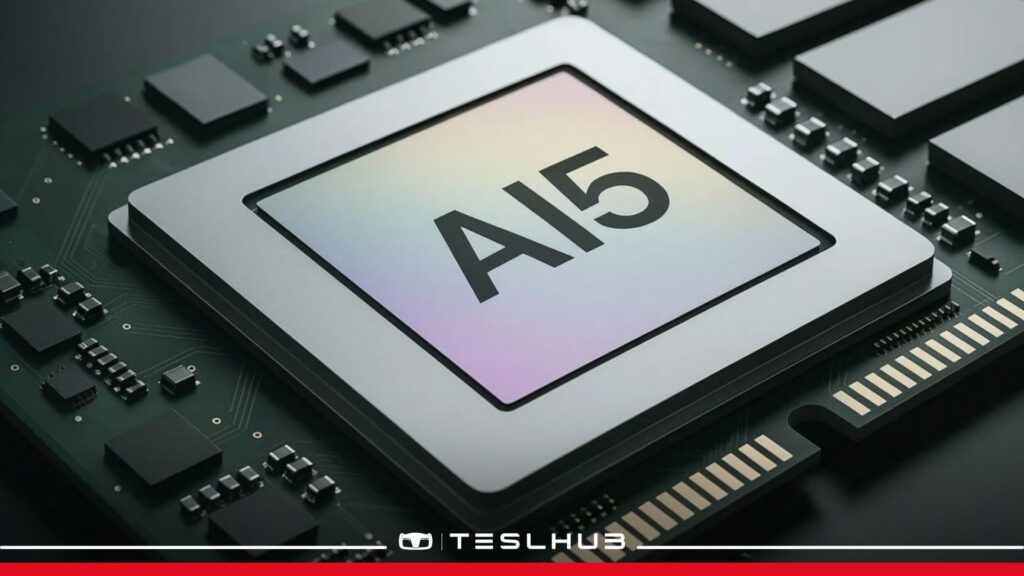
In January 2025, Tesla recalled certain vehicles fitted with particular HW4 car computers because a fault could cause loss of the rearview-camera display. The US announcement drew attention to a hardware and software issue relevant to safety functions. A model name or the presence of HW4 alone did not establish that an individual car was affected; owners needed the applicable recall information and VIN check.
What was the fault?
On a small proportion of affected vehicles, the power-up sequence could produce reverse current and a short circuit on the computer board, causing the rear-camera display to fail. That was the condition identified in the official recall. The original article discussed possible wider effects of a computer failure:
The wider effects discussed in the original report included:
- Loss of supported driver-assistance functions such as Autopilot or FSD.
- Warnings or loss of some active-safety functions, depending on the particular fault.
- A possible effect on traction-control behaviour was also claimed in the original report, but is not established by the recall’s rear-camera description and should not be assumed for every affected vehicle.
An owner seeing camera failures or safety warnings should follow the vehicle’s instructions and contact Tesla. The fact that a car can still move does not establish that every feature is functioning or that continuing a particular journey is appropriate.
European owners
The original report initially focused on the US filing and speculated about similar hardware in Europe. Euro NCAP is an independent assessment organisation, not the regulator to which a manufacturer necessarily files a recall. A US recall should not be assumed to define the exact European population; the relevant Tesla market information and the vehicle’s VIN are the appropriate starting points.
Software and hardware remedies
The repair approach combined a software change with inspection or replacement where necessary:
- Software: Tesla’s recall information identifies versions 2024.44.25.3, 2024.45.25.6 or later, correcting the original article’s 2024.45.25.3 reference. The update changed the power-up sequence to address the condition. The article’s claim that around 20% had not received an update was an unverified period estimate, not a current fleet figure or evidence about a particular European car.
- Hardware: Tesla described replacing the car computer without charge where the relevant short or damage had occurred before the corrective software. Owners with intermittent camera failures or associated warnings should arrange assessment rather than assume a software update can reverse existing board damage.
Which models were listed?
The recall concerned certain vehicles in these model-year groups, not every example:
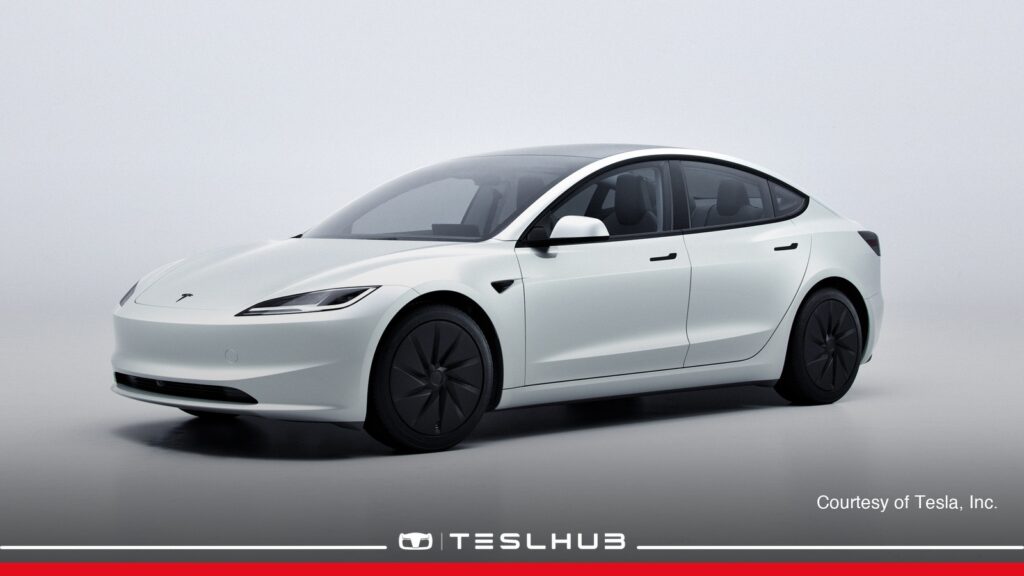
- 2024–2025 Model 3.
- 2023–2025 Model Y.
- 2024–2025 Model S.
- 2023–2025 Model X.
The original report described an increase in failures around November 2024 and linked the issue to hardware, software and colder conditions. That context did not replace the specific eligibility and remedy for an individual vehicle.
What should an owner check?
The practical steps were:
- Check software: review the version shown by the car or app and install applicable updates following Tesla’s instructions. A later version number alone is not a substitute for checking the recall status if a computer fault has already occurred.
- Watch for faults: contact Tesla if the rear camera, assistance systems or related warnings behave abnormally. Symptoms require assessment rather than diagnosis from a general article.
- Do not ignore warnings: follow the vehicle’s safety guidance and seek service advice, especially if functions needed for the journey are unavailable.
Addressing the safety issue
The recall showed why a software remedy and the condition of installed hardware need to be considered together. It did not establish that every HW4 vehicle suffered the fault or that every loss of a camera had the same cause.
For European owners, the useful approach was to consult Tesla’s official market-specific recall information, check the vehicle’s VIN, keep software current and ask Tesla to assess symptoms. This historical account does not replace those vehicle-specific instructions.
💶 REFERRAL PROGRAM 🚘
The referral offer described at publication: €500 off a new Tesla. This is a historical offer, subject to the terms applicable at the time.
Follow the referral link and complete the normal vehicle-ordering process. If the link does not open, copy it into your browser. Eligibility and benefits depend on the terms available when ordering.
https://www.Teslhub.com/Sconto
👏 Under the offer described at publication, eligible orders could receive €500 off a new Tesla.
The original instructions also directed readers to the link in our profile under “Buy a Tesla – €500 off” and to “Buy a Tesla” in the website menu. The wording and offer may have changed since publication.
🌐 STAY UP TO DATE 📢
Follow these channels to keep up with the latest news.
Join Teslhub Members, our Telegram community, to chat, ask questions and share Tesla experiences with us and other members. You can also find us on WhatsApp!
We look forward to seeing you in the next article or on our social channels.
See you soon!
Giorgio Rebecchi
Editor


Let’s discuss it
Experiences, questions and perspectives from the Teslhub community.
Please keep the discussion respectful. Members’ comments are moderated before publication.
Start the conversation. Leave the first comment.