

Tesla faced an important question in October 2024: could the millions of vehicles equipped with Hardware 3 eventually deliver the unsupervised driving capabilities discussed when customers bought FSD? The package was sold separately from the car, either at purchase or later. Earlier assurances about the hardware’s future had shaped expectations, but newer software and HW4 raised doubts. If HW3 could not fulfil those expectations, owners deserved a clear explanation of its limits.
The promises and the emerging doubts
In 2016, Tesla said newly produced vehicles would include hardware intended to support full self-driving. That announcement preceded HW3, which arrived later, so the two should not be treated as the same hardware introduction. The broader promise encouraged customers to expect a path towards much greater automation, including operation without supervision, rather than only the driver-assistance functions available at the time.
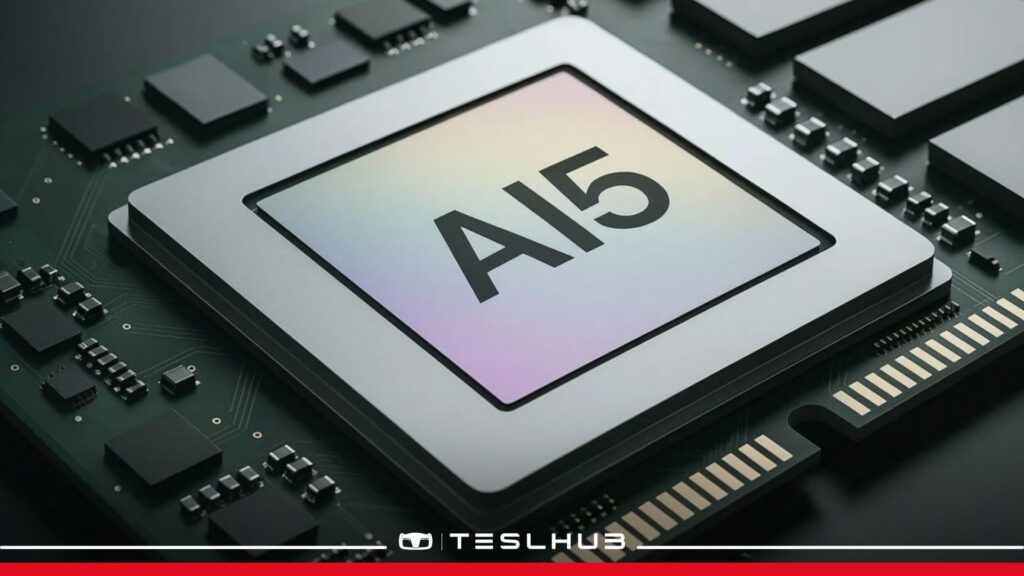
HW4 began appearing in vehicles in 2023, providing a newer computing platform. Tesla continued working on FSD for HW3, but the initial focus of FSD v12.5 on newer hardware prompted questions about the resources needed to run increasingly demanding software. A different release schedule alone did not establish the final limit of either platform.
Those concerns also featured around Tesla’s Robotaxi event, covered in this article. The original report described Musk declining to discuss the details when asked about HW3’s unsupervised capabilities. That exchange added to the uncertainty, but it was not a published technical specification or a definitive statement of a retrofit plan.

Tesla’s response
Tesla had offered FSD-transfer promotions that could encourage owners to move to a newer car. Repeated returns of offers initially presented as limited opportunities complicated the picture for customers deciding whether to keep their existing vehicle or replace it.
Tesla also used the name Full Self-Driving (Supervised), including in descriptions of used vehicles. That name makes the need for driver oversight clear, but it does not by itself settle what future hardware could support. Continuing to sell FSD to HW3 owners while its long-term route remained uncertain strengthened the case for clearer information about what was available and what was still a development objective.
Why the distinction mattered
Computing technology develops quickly, and several years can create a substantial performance gap. The issue for FSD buyers was not simply that newer hardware existed: they had paid for a package associated with ambitious future capabilities. In this opinion piece, the editorial argument was that Tesla should explain the options and consider an upgrade or other remedy if the original hardware could not meet the relevant commitments. That is an argument about customer expectations, not a determination of anyone’s legal entitlement or of a vehicle’s future value.

Clarity before assumptions
Musk had described a straightforward HW3-to-HW4 retrofit as impractical, and the platforms differed substantially. A purpose-built replacement computer was one possible alternative if computing power proved to be the main constraint, but it was not an announced solution at publication. The essential point was transparency: owners needed to know whether unsupervised driving remained a realistic objective for their vehicle, what any upgrade would involve and which commitments applied to them. Without that information, confidence could erode. The handling of HW3 was therefore a significant test of Tesla’s credibility, while the FSD software then available still required the driver’s supervision.
REFERRAL PROGRAM
The referral offer described at publication: €1,000 off a new Tesla. This is a historical offer, subject to the terms applicable at the time.
Planning to buy a Tesla without a friend’s referral code? At publication, readers could use ours.
Follow the referral link and complete the normal vehicle-ordering process. If the link does not open, copy it into your browser. Eligibility and benefits depend on the terms available when ordering.
https://www.Teslhub.com/Sconto
✔️ That completed the referral steps described at publication.
The offer described at publication provided €1,000 off an eligible new Tesla; it does not establish today’s benefits.
Teslhub is also on Telegram and WhatsApp!
Follow these channels to keep up with the latest news.
Or join Teslhub Members, our Telegram community, to ask questions, chat and share Tesla experiences with us and other members.
We look forward to seeing you in the next article or on our social channels.
See you soon!
Giorgio Rebecchi
Editor


Let’s discuss it
Experiences, questions and perspectives from the Teslhub community.
Please keep the discussion respectful. Members’ comments are moderated before publication.
Start the conversation. Leave the first comment.