
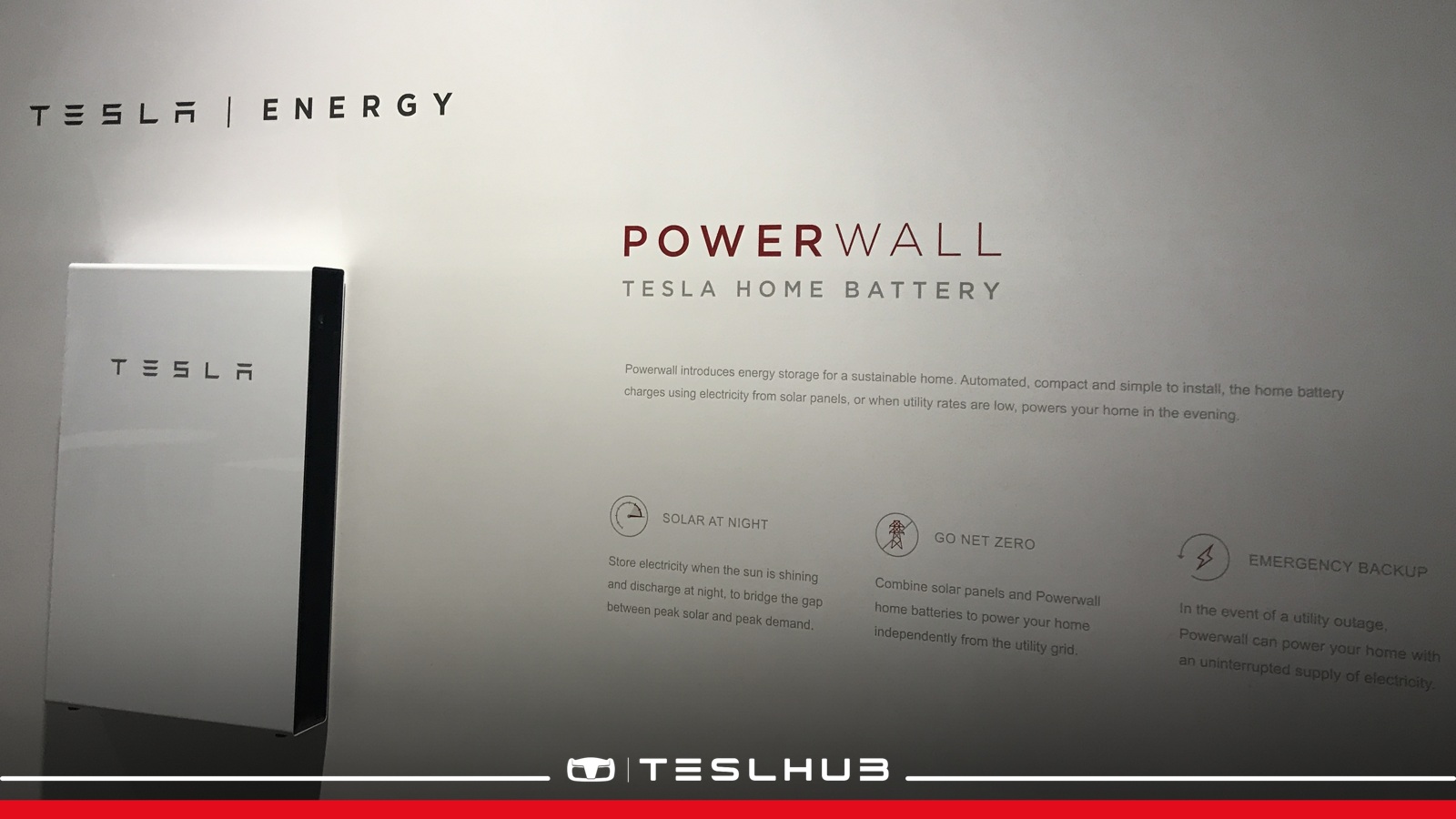
28 October 2016: Powerwall 2 is unveiled. This archive article was prepared in October 2026, with the production context from late 2016 and technical documentation from early 2017.
Bringing solar energy from daylight hours into the evening was one of the central ideas behind Powerwall 2, Tesla’s second-generation home battery, unveiled on 28 October 2016. Alongside Solar Roof, storage illustrated Tesla’s interest in a system extending beyond the car, from generating electricity to using it at home.
The change concerned more than the enclosure’s shape. Greater capacity and an integrated inverter made the idea of a home battery as part of the electrical installation more tangible. However, understanding that debut requires separating historical specifications from later generations, and a presentation from actual availability in individual countries.
Powerwall 2: more energy and an inverter in the system
In an early-2017 technical comparison, Powerwall 2 was described with 13.5 kWh of energy capacity and 5 kW of power, alongside its integrated inverter. The first generation was listed with 6.4 kWh. The increase was therefore more than a doubling of storable energy, a significant difference for the product’s potential role in a household’s day.
These numbers do not measure the same thing. Kilowatt-hours describe an amount of energy; kilowatts describe power. Capacity alone cannot tell you how long a house will remain supplied: that depends on what is switched on, the state of charge and the installed system.
In corporate documents concerning 2016, Tesla described a 14 kWh battery. Later US documentation for Powerwall 2 AC, effective from 9 February 2017, instead gave a value of 13.5 kWh. Retaining the reference to the document and product phase avoids mixing presentation figures, later specifications and values for current versions.
The aim was to shift energy use over time
Intended applications included solar self-consumption and backup, as well as demand management. In practical terms, storage separated the time of production from the time of use. Solar panels and the battery therefore had complementary tasks: generating and storing are not the same function.
Including backup among the applications did not mean one unit could power any home with every load switched on for a fixed period. Practical usefulness depended on the installation and consumption. Similarly, greater capacity alone did not promise financial savings or complete independence from the grid.
From announcement to second-generation factory production
Production and deliveries of second-generation storage products began in the fourth quarter of 2016. Production started at Gigafactory 1. Powerwall 2 targeted homes and small businesses, while Powerpack addressed commercial, industrial and grid applications: two different scales within the same energy strategy.
The presentation date should not be used as proof that installations were already available everywhere. The launch belonged to an early production and distribution phase, with terms, configurations and commercial access varying over time. This account does not transfer 2016 prices, warranties or availability to today’s Italian market.
Powerwall 2 illustrates a specific stage in Tesla’s history: the battery moved beyond a story exclusively about cars and became a visible part of the home. The point is not a universal promise of energy independence but an attempt to connect production and consumption more effectively. That distinction remains useful even as products change.
Sources and credits
- Tesla’s 2016 annual report, products and production start.
- EPRI, Energy Storage Trends and Challenges, February 2017, announcement date and technical comparison.
- Tesla’s US Powerwall 2 AC document of 9 February 2017, for the energy value stated at the time.
Cover: Kenneth Lund / Wikimedia Commons, CC BY 2.0. Archive photograph of Powerwall 2 displayed at Giga Nevada, not the 2016 event. Derived from the crop available on Commons and further adapted to the cover format with the original Teslhub PNG. The photographer is not associated with the editorial team and does not endorse the content.


Let’s discuss it
Experiences, questions and perspectives from the Teslhub community.
Please keep the discussion respectful. Members’ comments are moderated before publication.
Start the conversation. Leave the first comment.