
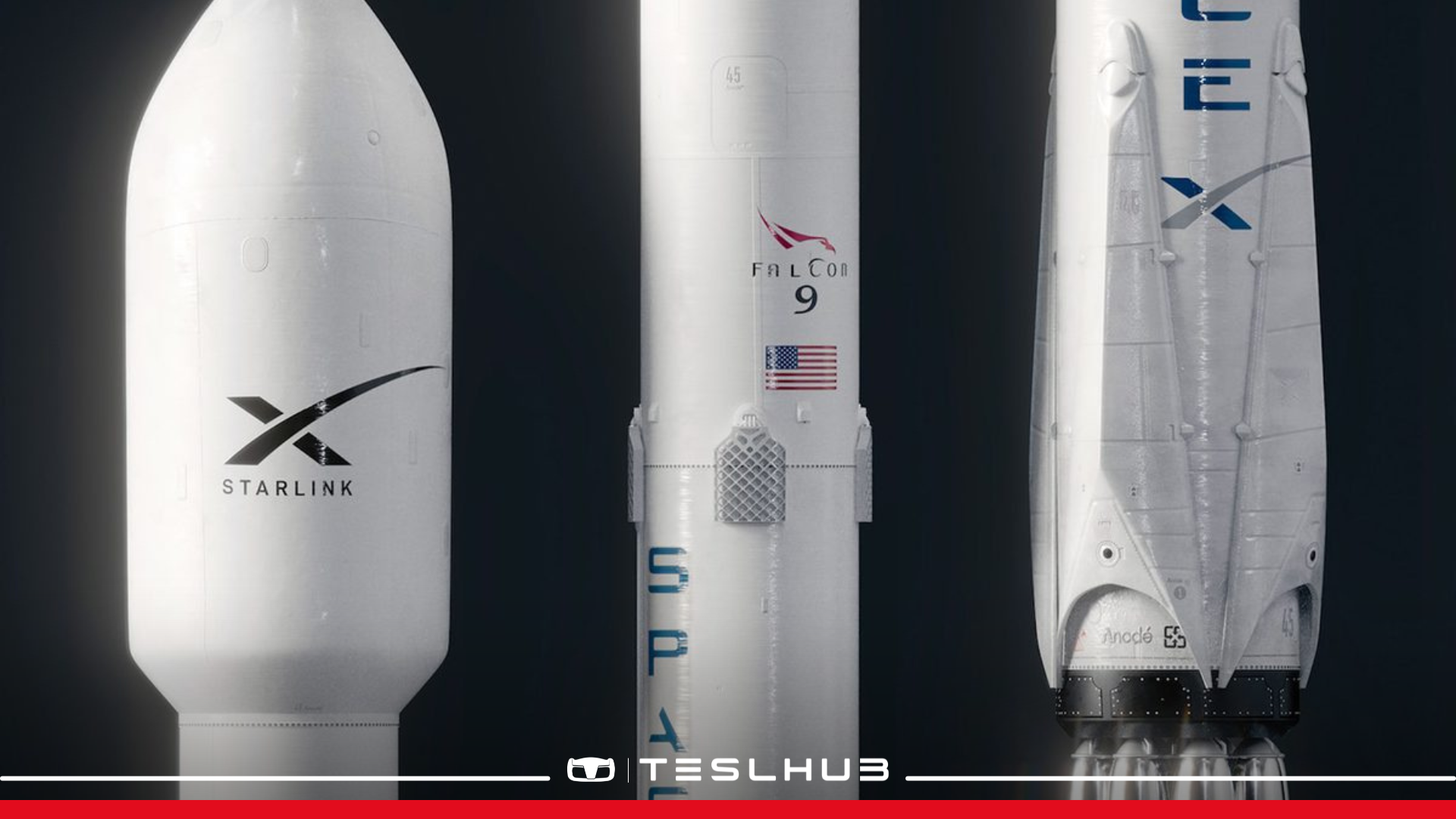
Elon Musk said SpaceX planned to send Starship towards Mars by the end of 2026. The proposed first flight would not carry people; instead, Tesla’s Optimus humanoid robot would be aboard. If the plan succeeded, crewed missions might follow in 2029, although Musk described 2031 as more likely. These were the ambitions discussed when this article was published in March 2025, not a confirmed mission schedule.
Starship: a rocket on an unprecedented scale
The article described Starship as the largest and most powerful rocket built, quoting a height of 123 metres and payload capacity of up to 150 tonnes for the configuration discussed. It is central to Musk’s vision of making humanity a multiplanetary species.
Development had also involved major setbacks, including prototype losses during test flights from Texas. SpaceX was analysing flight data to understand the failures, while the Federal Aviation Administration (FAA) required investigation before further flight tests could be authorised. The original text’s dating of the January and subsequent failures needs editorial review; it should not be treated as an independently verified chronology.

The proposed role of Optimus on Mars
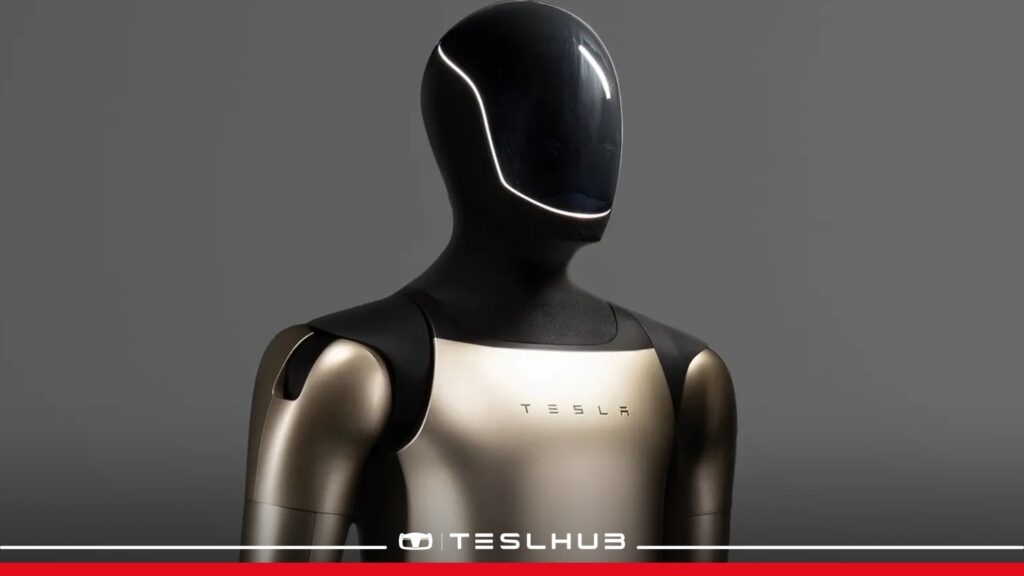
Musk’s proposed first Mars mission would use Optimus rather than a human passenger. He envisaged robots carrying out essential work on habitats and infrastructure, preparing for a later human arrival. This was a future scenario, not a demonstration of tasks Optimus had already performed on Mars.
Possible roles envisaged for Optimus included:
- Assembling shelters and life-support structures.
- Helping manage water and air recycling.
- Working on food production and resource extraction.
A robot does not need oxygen to breathe, but it would still need to be adapted to Mars’s demanding conditions, including fine dust and extreme temperatures. The absence of human life-support needs does not remove the engineering challenge.
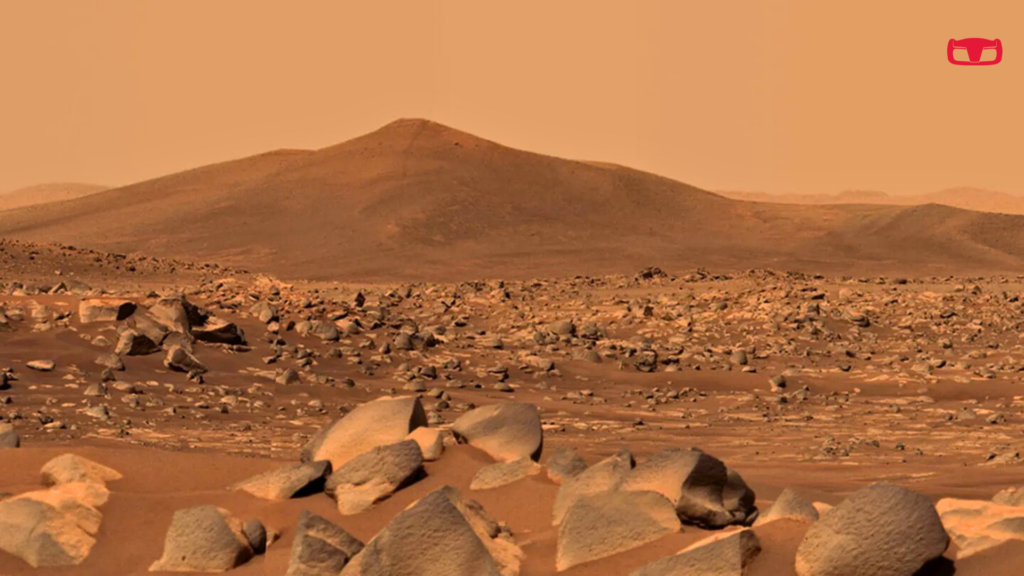
The longer-term space-settlement ambition
SpaceX continued developing the system despite the setbacks, using test data to improve the design. NASA’s plans to use a Starship-derived lander for Artemis lunar missions were another important part of the programme, while a Mars mission remained a separate and demanding goal.
If the longer-term plans worked, people might eventually walk on Mars. Could that become humanity’s next major exploration milestone? At publication it remained an ambition, with substantial technical work ahead.
💶 REFERRAL PROGRAM 🚘
Explore the referral benefits available when buying a new Tesla.
Use the following referral link and follow Tesla’s normal ordering process. Check the current terms and available benefits before ordering; you can copy the link into your browser if needed.
https://www.Teslhub.com/Sconto
👏 That completes the referral step.
You can also find our referral link in the “Buy a Tesla” section of our biography and in the website menu.
🌐 STAY UP TO DATE 📢
Follow our channels to keep up with the latest news.
Join Teslhub Members, our Telegram community, to talk, ask questions and share Tesla experiences with us and other members. You can also find us on WhatsApp!
We hope you enjoyed the article. See you in the next one, or on our social channels.
See you soon!
Giorgio Rebecchi
Editor




Let’s discuss it
Experiences, questions and perspectives from the Teslhub community.
Please keep the discussion respectful. Members’ comments are moderated before publication.
Start the conversation. Leave the first comment.